Casino Configurator
Bingo: Social Game or Straight-Up Gambling?
The reputation of some activities is often connected with community halls, friendly banter, and slow-paced interaction. Yet, the question regarding whether bingo counts as gambling keeps coming up.
Once money enters the scene, the game stops being “just entertainment.” Players pay to join, a prize is on the line, and the winner takes the value that comes from the group. That is the same core mechanic that sits behind many gambling products, even if it looks calmer on the surface.
Why Bingo Counts as Gambling
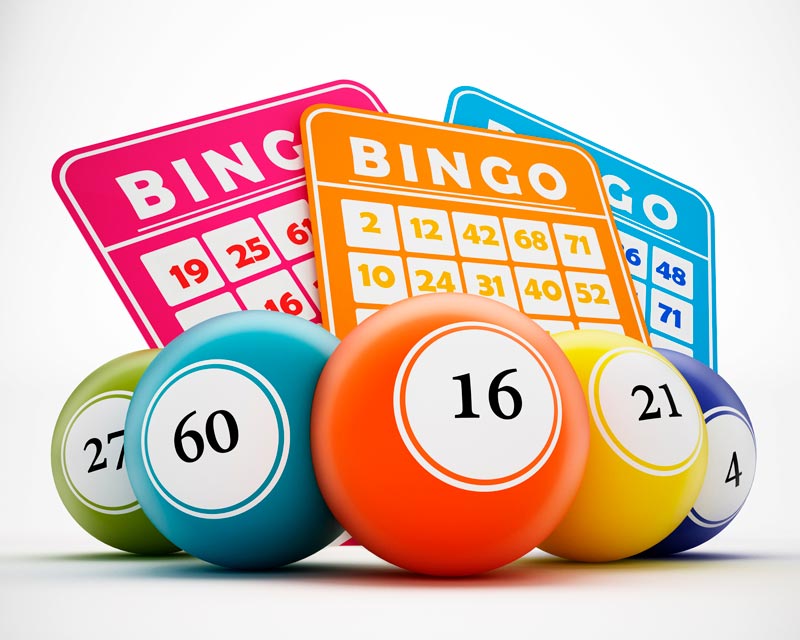
The game meets the practical criteria that define other popular casino activities. The setting can be wholesome, but the structure still relies on money and a chance-based outcome.
Key elements that place bingo in the gambling category:
- paying to enter;
- prize funded by other entries;
- chance-led outcome;
- possible profit through luck.
Even when the buy-in feels tiny, players still exchange money for a shot at winning. The reward does not appear from nowhere, either. It is usually created from the pool of entry fees, meaning most participants lose, so that a smaller number can win.
Strategy exists in a limited way, but the deciding factor is the draw, not skill. The part that confuses people is not the mechanics but the culture around them.
Why Bingo Often Feels “Different”
The game can still be considered gambling, but feels unlike a typical casino product. That difference comes from context, pace, and perception.
Community-First Vibe
Many bingo sessions are social by design. Players chat, share snacks, and treat the event as a gathering as much as a contest. That atmosphere changes how the activity is judged, especially by organisers and local officials.
This is also why bingo gets described as “harmless.” The goal often sounds like an evening out. The atmosphere that follows slots or certain card games does not attach as easily when the room feels like a fundraiser or a neighbourhood meet-up.
Slower Rhythm than Most Gambling
Bingo does not usually encourage rapid cycles of wager, result, wager, result. The action moves in a measured way because the caller sets the tempo and the group follows it. That alone can reduce the intensity of the experience.
Pace matters. Fast play can lead to quick losses, which is one reason many people mentally separate bingo from other chance-based games. Even so, the calm rhythm does not erase the gambling fundamentals but simply softens the experience.
Reputation Shaped by Tradition
Bingo is often linked with older audiences, charity events, and local halls. That image is powerful, even if the game appeals to many ages in reality. When a product has a long-standing “community” label, it tends to get treated as more acceptable.
Legality in Restrictive US States
Bingo is an unusual case in the United States. Many federal lands restrict or prohibit several forms of gambling, yet bingo still shows up as a permitted activity in a wide range of places. The reason is that lawmakers often make room for it through specific exceptions.
The most common ways bingo stays legal under tighter regimes:
- Charitable framing makes it easier to permit. When a session supports a nonprofit purpose, regulators tend to view it as less controversial than commercial gambling.
- In-person play is treated more leniently than interactive formats. A physical hall is easier to oversee, and it fits older legal concepts of permitted community gaming.
- Limits and controls reduce perceived risk. Caps on prizes, restrictions on organisers, and clear rules around proceeds can turn the game into a controlled activity.
In many states, bingo is tied directly to fundraising by charities, veterans’ groups, and other organisations that claim a public benefit. Players can still win money, but the larger pool may also support community programmes, which makes the activity politically easier to justify.
That said, not every state accepts the compromise. A small number of jurisdictions take a strict line and treat bingo as gambling without exception. Utah and Hawaii are the two names that come up most often in that category, since both have historically maintained strong bans on most forms of gambling, including bingo.
Digital Bingo Nuances
The moment the activity moves online, friendly exemptions usually weaken. Many laws that tolerate charitable or hall-based bingo are far less accepting of interactive play. Regulators often draw a hard line between a controlled event in a physical location and a digital product that can run at any time.
That difference indicates that if a state does not regulate online gambling, digital bingo is likely not permitted there. The land-based version may survive through carve-outs, while the virtual format can fall into the same bucket as other internet gambling products.
This split is one reason operators and players need to treat “bingo legality” as two separate questions. A local fundraiser in a hall may be allowed, while a website or app offering play may not.
Bingo vs Other Casino Games
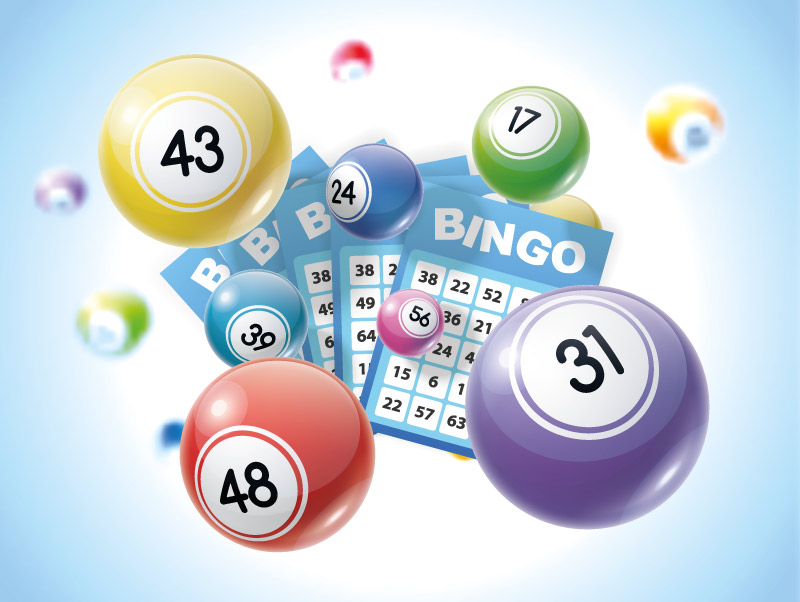
The biggest distinction is not the role of chance, since that is present across the board. The difference lies in how much money typically moves per session and how quickly outcomes arrive.
How bingo often compares with standard casino formats:
- Prizes are usually smaller. Typical pools can stay modest, even though some venues promote larger rewards or progressive-style jackpots in special cases.
- Entry costs tend to be low. Many sessions allow participation with a small buy-in, which changes the psychological feel of the risk.
- One payment can cover multiple rounds. Instead of placing a new stake every minute, a single purchase can grant access to several games.
- Play time per cost is relatively high. Rounds can last several minutes, and the overall event can provide a lot of entertainment for the spend.
- The tempo is set by the room, not the player. A slot can be spun instantly again, while bingo usually moves at the caller’s pace.
Halls often establish a low price point on cards that can last through multiple games. A single round can run for several minutes, so the experience is drawn out compared with high-speed gambling products. That slower structure can limit impulsive repeat staking, although players can still overspend if they keep purchasing additional cards.
Some bingo venues attempt to raise excitement with larger prizes or progressive features. Those variations can bring the game closer to mainstream casino dynamics, especially when prize pools climb.
Bingo and Problem Engagement
Even though the game is often described as low-risk, in many settings that description makes sense. Stakes are usually smaller, results take time, and the activity can be logistically demanding enough to prevent constant play. Still, low-risk does not mean no risk.
Any gambling activity can contribute to a gambling disorder under the right conditions. Bingo can also act as an entry point into other products, especially if someone begins to chase the feeling of winning.
Key risk points to keep in mind:
- Any gambling can become a disorder.
- Small stakes can still build habits.
- Bingo can become a gateway to other gambling.
- The risk of normalisation is present, especially for younger people.
The “gateway” concern is less about bingo itself being uniquely dangerous and more about what it can normalise. A person who becomes comfortable with staking money on chance may later explore faster products with higher volatility. That shift is where harm can grow.
There is also a broader cultural issue. When adults treat gambling-like products as harmless, younger people can absorb the message that staking money on chance is just another casual pastime.
The Main Things about Bingo and Gambling
The game sits in a neat cultural disguise. It looks like a gentle social tradition, but its structure still follows the classic gambling formula. Once you separate the vibe from the mechanics, the classification becomes straightforward.
Key aspects about the ambiguity of the format:
- Bingo counts as gambling because money is paid for a chance-led outcome with a prize.
- The game feels more acceptable due to its social setting, slower pace, and charitable ties.
- Many US states allow land-based bingo through carve-outs, even when other forms of gambling face limits.
- The online format often does not benefit from the same exemptions and can be prohibited where internet gambling is unregulated.
- Problem gambling can still develop, so the “harmless” label should never replace basic caution.

Check the information used to contact us carefully. It is necessary for your safety.
Fraudsters can use contacts that look like ours to scam customers. Therefore, we ask you to enter only the addresses that are indicated on our official website.
Be careful! Our team is not responsible for the activities of persons using similar contact details.