Casino Configurator
Europe’s Sports Betting Pressure Points: Tax, Ads, and the Offshore Shift
Bookmaking across the continent has entered a tough commercial cycle. The product still has strong demand, especially around football, tennis, basketball, golf, and major tournaments, but legal operators now work with thinner margins and heavier restrictions.
The main issue is not demand. Fans still wager, markets still move fast, and mobile-first behaviour keeps live products attractive. The problem sits in the operating environment. Taxes are rising, advertising channels are narrower, compliance costs keep expanding, and unlicensed websites can offer aggressive terms without the same legal burden.
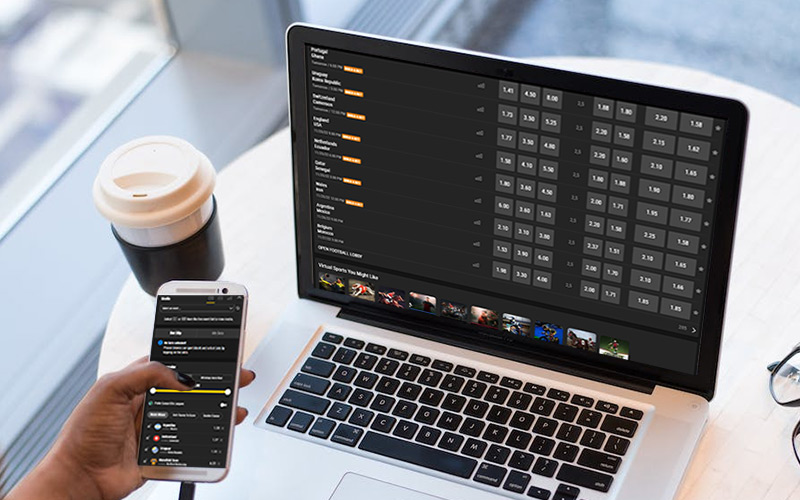
This creates a difficult picture for newcomers. A fresh sportsbook can no longer rely on huge welcome offers, loud sponsorships, or broad digital promotion as easily as before. The stronger path now requires sharper market selection, better product design, safer payment flows, and a clear retention plan.
Current Pressure on Operators
Legal bookmakers in Europe face a strange market contradiction. The audience is active, but the route to those players has become more expensive and less flexible. Operators still need to pay for licences, verification tools, local reporting, safer gambling systems, fraud controls, marketing teams, and technology maintenance.
Unlicensed competitors usually avoid many of these costs. That gives them more room for attractive odds, larger bonuses, and broader product menus. The difference becomes especially visible when regulated brands must reduce promotional spend or remove certain acquisition channels.
This does not mean regulation is the problem by itself. Clear rules protect users, help payment providers work with operators, and create trust. The real danger appears when the regulation becomes so expensive or unstable that legal companies lose the ability to compete.
For a new operator, this matters from the start. A launch plan must also calculate tax exposure, channelisation risk, marketing limits, payment friction, and how quickly the project can reach sustainable retention.
Taxation as the First Margin Problem
Fiscal pressure affects every layer of a sportsbook. Once duties increase, an operator has less room to price markets, fund bonuses, pay affiliates, invest in content, and cover compliance costs.
Where the impact usually appears:
- Lower flexibility around odds. A legal bookmaker must protect its margin, so aggressive pricing becomes harder when the tax burden grows.
- Longer route to profitability. A fresh brand needs more time to recover licensing, software, staff, and acquisition costs when extra GGR goes to the state.
- Higher offshore appeal. Players may compare offers quickly and move to websites with fewer restrictions, larger promotions, or wider product access.
The Netherlands is one of the clearest warning signs. The Dutch Betting and Gaming Tax was planned to increase from 30.5% to 34.2% in 2025 and then to 37.8% in 2026. The policy was designed for budgetary purposes, with expected structural revenue growth for the state, but higher rates can weaken legal operators if players move to untaxed alternatives.
The UK has also become a major example of tax pressure. Remote Gaming Duty increased to 40% for accounting periods that began on or after 1 April 2026, and a new 25% duty rate for remote betting profits will apply from 1 April 2027 (horse racing excluded).
Sweden sits in a different position. The Swedish Tax Agency states that licensed operators must pay 22% tax on proceeds from gambling subject to licensing. That rate may look moderate when compared with some newer proposals elsewhere, yet the broader lesson remains the same. Tax design must leave enough room for licensed products to stay attractive.
Advertising Limits and the Acquisition Gap
Promotion rules are another major pressure point. Strict marketing controls can reduce public exposure to gambling, but they also make it harder for licensed challenger brands to become visible.
The most sensitive areas:
- shirt sponsorship restrictions;
- bonus communication limits;
- paid media barriers;
- age-gating requirements;
- weaker reach for new entrants.
Italy has one of the toughest approaches in Europe. Under Article 9 of the Dignity Decree, advertising, sponsorship, and promotional communication related to cash-prize games or betting are prohibited across many formats, including TV, radio, press, billboards, the internet, digital tools, and social media.
Belgium also moved strongly in this direction. The Belgian government decided to ban gambling advertising across multiple platforms from 1 July 2023, with further restrictions on stadium ads and sports sponsorships planned for later stages.
The UK football environment adds another layer. Premier League clubs agreed to remove gambling companies from match-day front-of-shirt sponsorships from summer 2026, although sleeve placements and pitchside hoardings were still allowed under the reported arrangement.
For operators, the practical issue is visibility. A large incumbent already has brand memory, existing users, historical search demand, and affiliate coverage. A newcomer has to earn attention, yet many of the strongest channels are now restricted.
This can unintentionally protect market leaders. If smaller sportsbooks cannot advertise widely, communicate offers clearly, or build sponsorship visibility, the market starts to close around a handful of known names.
Why Offshore Sites Gain Ground
Grey websites gain strength when the legal route becomes less competitive. A player may start with a regulated operator, then compare odds, bonuses, payments, and product range elsewhere. If the difference feels too large, the licensed brand loses its protective advantage.
Several factors create this shift:
- Lower cost base. Offshore websites often save on local tax, licence fees, and formal reporting requirements.
- Stronger bonus freedom. Such brands can use offers that regulated companies cannot match under local rules.
- Wider product menus. Some websites combine sportsbook, casino, poker, crypto payments, and other verticals in one account.
- Difficult enforcement. Mirror domains, overseas advertising, social media placements, and sponsorship workarounds are hard to remove completely.
This is one of the biggest dangers for European betting. The combination of high tax rates and advertising restrictions acts as a structural advantage for the grey market, creating difficult conditions in heavily taxed or tightly controlled jurisdictions.
Regulators already recognise this enforcement problem. The UK Gambling Commission has published work on how data can help identify unlicensed operators and estimate illegal activity, which shows that the issue is now part of the formal policy discussion.
The key operator lesson is simple. A legal sportsbook must be safe and compliant, but it must also remain enjoyable, fast, and competitive. Protection alone will not hold players if the product feels weaker in every commercial detail.
Consolidation as the Default Outcome

Scale becomes more important when costs rise. Larger operators can spread compliance teams, technology upgrades, tax exposure, trading systems, marketing tools, and data infrastructure across a broader user base.
Smaller brands have fewer buffers. A duty increase, a marketing ban, a new reporting rule, or a payment disruption can quickly hurt the whole business model. When margins shrink, weak execution becomes much more expensive.
This is why many European markets may move towards stronger concentration. A few large groups can survive pressure that would damage mid-sized or early-stage competitors. Higher barriers to entry are closely linked with the likelihood of top-heavy markets.
Consolidation can make the industry more stable in some ways. Big operators usually have mature compliance systems, known brands, and deeper financial reserves. Yet it can also reduce innovation. If too few companies dominate the field, players may see less variety in odds, features, promotions, and product formats.
For a newcomer, this means positioning has to be sharper. A new sportsbook cannot simply look like a smaller version of the market leaders. It needs a clear reason to exist, whether that is a focused sports mix, better mobile flow, faster payments, localised content, niche communities, or stronger entertainment value.
Capital in Markets with Better Returns
Investment follows efficiency. When a mature European market becomes too costly, operators may move budgets to regions where acquisition costs, tax structures, and growth rates look more attractive.
This does not mean Europe is finished. It means capital has become more selective. A company can keep a presence in a core market while pushing fresh resources into countries with faster returns.
Eastern Europe
Some local regions still offer room for growth, especially where betting demand is strong and legal conditions are clear enough for long-term planning. However, operators still need to watch local licence rules, payment preferences, and political stability.
Africa
Several markets here show strong mobile behaviour and familiar betting habits. Nigeria and South Africa are often discussed because they combine large audiences with fast digital adoption. Still, each country needs its own legal, payment, and localisation plan.
Middle East and Asia
These regions carry major long-term potential as regulation opens gradually. The opportunity can be huge, but timing matters. Early preparation may help, while premature launch decisions can create legal and financial risk.
Latin America
LatAm has attracted major attention as more countries move towards regulated online gambling. The challenge is that many attractive positions are already crowded, and local operators or early entrants may hold strong ground.
The wider point is that operators should not treat all expansion as equal. A market with weaker tax pressure can still fail if payments, support, language, or local trust are mishandled.
Markets that Still Deserve Attention in Europe
Some jurisdictions remain attractive, although each comes with a different risk profile. The opportunity depends on the balance between demand, tax, advertising access, licence clarity, and the ability to compete with existing leaders.
The United Kingdom
The UK remains one of the most important betting markets in the world. It has a deep sports culture, mature online behaviour, and high player familiarity. At the same time, the tax outlook and strong incumbent competition make entry much harder than before.
Germany
The country has a large economy and a broad consumer base. The difficulty lies in regulation, product limits, and channelisation. A large market can still be commercially frustrating if many users prefer offshore options.
Finland
The region is moving through a major reform. The current system is changing, and gambling will become a licensed activity from 1 July 2027. Applications under the new regime can be submitted from 1 March 2026, but licensed activity cannot begin before 1 July 2027. That makes Finland interesting for operators who plan early. The country may offer a fresh regulated opening, but the final commercial picture will depend on taxes, advertising rules, product scope, and channelisation.
Ireland
This market is currently building a new licensing environment. Its regulator has opened applications for licence types that include remote betting, intermediaries, and in-person betting licences. This creates a clearer route for operators, although the market will still require careful compliance planning. A modern framework can be attractive if it gives legal brands enough room to compete.
Sweden
The region has become a market to watch again because the 22% tax level may look more manageable when compared with heavier burdens elsewhere. However, the commercial picture is not only about one rate. Bonus rules, channelisation, and product expectations still shape the final opportunity.
Where Growth Still Comes From
Future progress in European wagering will not come from one magic channel. Operators need several practical strengths that work together.
The strongest growth areas:
- Personalisation. A sportsbook should understand different users by sport preference, stake level, session rhythm, device type, and retention stage.
- Focused content. A clean offer around the strongest sports can perform better than a large menu that feels difficult to navigate.
- Retention-led ecosystems. Scores, statistics, editorial content, fantasy tools, and loyalty mechanics can bring users back outside deposit moments.
- Mobile-first product logic. Fast loading, simple bet slips, clear cashier flows, and quick support matter because many users compare products in seconds.
- Operational discipline. Regulation cannot always be predicted, but platform speed, reporting quality, fraud controls, and cost structure sit within the operator’s control.
Personalisation deserves special attention. When margins become tighter, broad promotions waste money quickly. A better system delivers the right offer to the right user at the right moment in the journey.
Content also needs restraint. Many sportsbooks try to look complete by adding endless markets, tools, banners, and widgets. This can weaken the experience. A polished football, tennis, basketball, or racing section can do more for loyalty than a cluttered lobby with no clear product identity.
The final factor is stability. Operators need predictable workflows, strong back-office systems, transparent data, and technology that holds under pressure. A sportsbook that fails during peak traffic loses trust at the worst possible time.
The Main Things about Sports Betting in Europe
The EU market still has strong demand, but the commercial environment has become less forgiving. Legal operators now need sharper planning because taxation, advertising limits, offshore competition, and consolidation all affect the same business model.
Key aspects to remember:
- Higher tax rates reduce legal operators’ margin flexibility and can make offshore alternatives more attractive to players.
- Advertising restrictions protect public exposure, but they can also make acquisition harder for challenger brands.
- Offshore websites benefit when licensed products become slower, weaker, or less competitive due to local pressure.
- Consolidation is likely to intensify because large operators can absorb costs that smaller sportsbooks cannot carry easily.
- Growth remains possible through personalisation, focused content, mobile-first journeys, stronger retention, and disciplined market selection.

Check the information used to contact us carefully. It is necessary for your safety.
Fraudsters can use contacts that look like ours to scam customers. Therefore, we ask you to enter only the addresses that are indicated on our official website.
Be careful! Our team is not responsible for the activities of persons using similar contact details.