Casino Configurator
How Emotional Gamification Can Make Retention Part of the Casino Experience
A customer finishes a slot session and closes the website. The marketing team then needs a reason to bring that person back, perhaps through another bonus or a timely message. This familiar cycle places considerable pressure on promotional campaigns.
An alternative approach begins inside the product itself. A virtual squad to develop or an island to explore can give someone a personal reason to return. These activities create continuity between visits and add meaning beyond the latest betting result.
What Makes Players Want to Return
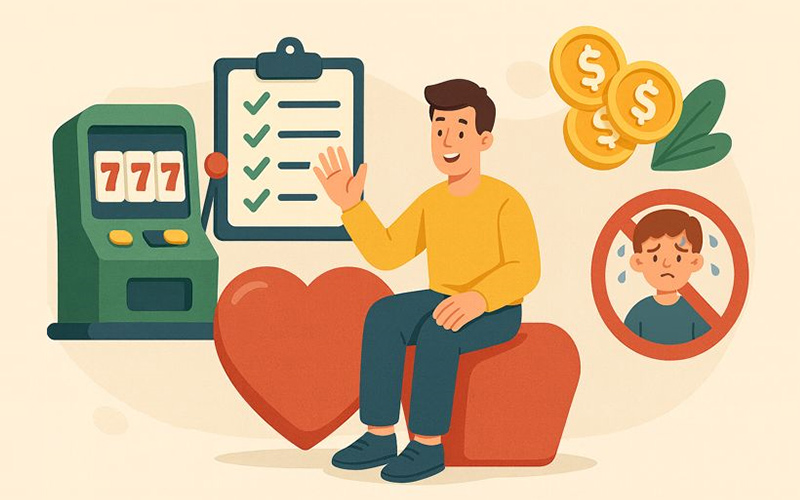
A recognisable setting can help someone feel comfortable from the first interaction. Familiar rules also give customers a clear starting point when they explore something new. Together, these qualities can make an unfamiliar website easier to approach.
Personal involvement adds another dimension. A participant who develops a football squad has a particular project to continue during a later visit. That sense of ownership gives the surrounding entertainment a purpose beyond its immediate reward.
One of the newest approaches links brand attachment with feelings that extend beyond individual transactions. Its framework places particular emphasis on comfort and belonging.
The main emotional elements include:
- familiarity with the environment;
- confidence with recognisable rules;
- attachment to personal progress;
- connection through shared competition.
These qualities help explain the appeal of a continuing journey. Someone may remember the team they assembled and anticipate the next challenge. That expectation can become part of the reason to open the platform again.
Bonuses can still play a role within this model, but they may be tied more closely to achievements inside the surrounding experience. A reward then marks progress towards a goal that already matters to the participant.
Customer relationship management supports communication with the audience. Product design addresses a different question: what makes the destination worth another visit? That reason needs to remain visible after a promotional message has disappeared.
How a Metagame Extends the Core Casino Experience
Most casino visits begin with a deposit and a choice of entertainment. After the outcome, the customer may continue or leave. An additional activity can create another point of interest around that familiar sequence.
Metacurrency connects these stages. The term describes a virtual resource earned through eligible actions and used within a separate entertainment experience. Its purpose depends on the format, so the rules should clearly explain what each balance can be used for.
The island-based example links slot activity with a metagame, which means an additional game around the main gambling offer. Participants earn energy that supports further interaction within that environment.
The journey follows these connected stages:
- Accumulate a resource through regular play. Eligible slot activity generates energy alongside the main session.
- Transfer the balance into another experience. The participant can use what they have earned within the surrounding adventure.
- Collect coins and unlock destinations. Each new island gives progress a visible form.
- Compete for rewards. Encounters with other participants add another reason to engage with the available content.
For an operator, the key connection is between the initial action and the next opportunity. A customer should understand how the first stage creates value in the next. Clear progression gives the entire sequence a coherent purpose.
The base casino or sportsbook remains central to the business. This surrounding layer supports continued engagement with the existing offer. Its value depends on how naturally those parts fit together.
Such a structure also changes how a visit ends. Once the initial activity finishes, a separate goal may remain available for later. That continuity creates another reason to return voluntarily.
How Familiar Mechanics Support Personal Involvement
Simple rules give newcomers an accessible starting point. Further choices can then add depth as confidence grows.
The portfolio shows several ways to combine that accessibility with ongoing goals:
Puzzle Formats and Island Adventures
Match-three concepts draw on a recognisable style of casual entertainment. For someone already familiar with the format, the basic interaction requires less explanation. Attention can move towards the surrounding challenge.
An island-based adventure provides a different kind of appeal through discovery. A newly available destination makes advancement visible and gives the next stage a clear identity. The connection between accumulated resources and access becomes easier to understand.
These examples illustrate separate design options within the broader strategy. Their shared purpose is to create an activity that customers can recognise and choose to revisit.
MEGA11 and Squad Development
Football fans can build a personal project through team customisation and player unlocks. Training adds another area of involvement, while competition gives those decisions a relevant context. Rewards connect the resulting achievements with further participation.
The emotional appeal comes from the link between individual choices and a continuing goal. Someone who has shaped a squad may become interested in its future performance. That attachment offers a reason to return beyond the outcome of a particular wager.
For a sportsbook, this adds another form of football entertainment. The same sporting interest can support different activities within the wider customer experience.
MEGA Shoot and Event-Based Interest
Virtual penalties offer a compact challenge built around an easily recognised sporting moment. This format was prepared particularly ahead of the 2026 FIFA World Cup. The tournament supplied a relevant setting for its introduction.
For an operator, the key point is the fit between audience interest and the surrounding activity. A major football event creates a natural connection with a shootout challenge, giving customers a clear reason to explore the feature.
MEGA Touchdown and MEGA Lock Target also appeared among the concepts presented. Their inclusion illustrates the broader experimentation behind the portfolio, although the supplied coverage provides limited detail about either format.
What the Case Study Shows About Retention and Revenue
Commercial evidence helps assess whether an engaging concept changes customer behaviour. The case study includes several metrics that measure different outcomes. They belong to one company’s experiment and need context before being used in another operator’s forecasts.
Session Length and Visit Frequency
The A/B comparison covered customers with access to gamification and those outside that experience. Average time per session doubled from approximately 20 minutes. Weekly gaming visits also increased from 3.3 to 14.1.
Those measures describe different changes in behaviour. One concerns how long an individual interaction lasts, while the other tracks how often it occurs. Neither directly measures an emotion such as trust.
For an entrepreneur, this distinction matters during evaluation. Greater activity can support the commercial argument, but lasting loyalty requires observation across a suitable period. The emotional explanation remains an interpretation of the base behaviour.
Individual Product Performance
MEGA11’s initial reported results included a 114% rise in daily activity. Deposit conversion reached 80%, while net gaming revenue per user increased by almost 39%.
The middle figure is a rate, so it should be interpreted differently from the surrounding growth measures. A meaningful comparison also requires clarity about which customers were included in the calculation.
MEGA Shoot recorded retention improvements of up to 13%. During the World Cup, 32% of the examined database engaged with the gamification experience. Among that participating group, 71% subsequently played a second game.
The final proportion concerns customers who had already taken part. Its denominator differs from the full database used for the preceding statistic. Keeping those groups separate prevents an inflated impression of overall participation.
Revenue and Deposit Behaviour
The wider MEGA figures include a 45% increase in average revenue per user. Net gaming revenue rose by 65%, while deposit frequency increased by 30%.
Each indicator answers a separate business question. Income per customer describes individual commercial contribution, while the total reflects a broader result. Payment frequency captures another aspect of account behaviour.
The available materials leave some measurement periods and comparison details unspecified. These gaps limit direct forecasts for a new deployment. Operators should request the relevant definitions before they use any headline percentage in a financial plan.
How Gamification Can Strengthen Brand Recall

Access to popular content can be similar across competing businesses. Shared sportsbook suppliers also make parts of the customer journey feel familiar from one website to another. Payment options may overlap as well.
The surrounding entertainment creates another point of differentiation. A virtual football project can give someone a specific association with a particular operator, while an unfolding adventure offers a different experience to remember between visits.
This is where emotional design becomes commercially relevant. Customers may have a reason to reopen an account because they want to continue something they started. A promotional message can reinforce that intention.
Reactivation addresses a different situation because interest has already faded. The business must then regain attention and offer a reason to reconsider its service. That effort creates an additional cost, although the supplied case study provides no quantified campaign savings.
The opportunity here is to reduce dependence on repeated incentives. A more appealing destination can support communication and give each message a relevant subject. Any financial benefit still needs to be measured within the operator’s own accounts.
Distinctiveness also requires continued attention to the offer. A fresh feature can attract curiosity, while lasting value depends on the quality of the subsequent experience. Development priorities should reflect what customers continue to use after their first exploration.
What Operators Should Prioritise When Using Emotional Gamification
A successful case study can provide useful direction for a new project. Implementation still requires choices that suit the intended audience and commercial objectives. A strong starting point is a clear connection between each proposed feature and its purpose.
The examples suggest five practical priorities:
- Define the intended feeling. Decide whether the concept should create familiarity or strengthen personal attachment before you select its visual theme.
- Make progression easy to follow. Explain how an eligible action generates a resource and what the resulting balance can unlock.
- Choose an accessible format. A recognisable puzzle or football challenge gives customers a useful starting point for exploration.
- Separate the evaluation measures. Track participation independently from retention, then examine commercial contribution over a defined period.
- Continue controlled comparisons. Use A/B testing to assess new concepts and investigate which changes support the intended outcome.
These decisions keep development tied to a clear business question. A team can then assess whether the chosen design creates a worthwhile continuing experience and use the result to guide further investment.
Clear definitions also make internal discussions more productive. Marketing specialists may focus on repeat visits, while product managers examine interaction with individual features. A shared measurement framework helps both groups interpret the same evidence.
The objective is a coherent service that customers understand and enjoy. Further complexity needs a clear purpose within that journey.
The Main Things About Emotional Gamification
Repeat visits become more meaningful when customers have something personal to continue. The adapted retention campaign illustrates how an additional entertainment layer can connect that motivation with commercial performance.
The key aspects to keep in mind:
- Recognisable formats can help customers feel comfortable with a platform, while familiar rules make additional entertainment easier to explore and enjoy.
- Virtual resources connect regular casino activity with further goals, which gives participants a clear path towards rewards and something worthwhile to revisit.
- Personal choices, such as squad customisation or team development, can strengthen attachment because each visit contributes to a project that reflects individual decisions.
- Experiment results provide useful evidence of commercial potential, but operators need clear measurement periods and comparison groups before they apply those figures to their own forecasts.
- Continued testing helps businesses identify which features sustain interest beyond initial curiosity, so further investment supports experiences that give customers meaningful reasons to return.
The practical opportunity lies in building a stronger relationship between the service and its audience. Familiarity can support the initial connection, while a worthwhile continuing experience gives customers reasons to return.

Check the information used to contact us carefully. It is necessary for your safety.
Fraudsters can use contacts that look like ours to scam customers. Therefore, we ask you to enter only the addresses that are indicated on our official website.
Be careful! Our team is not responsible for the activities of persons using similar contact details.