Casino Configurator
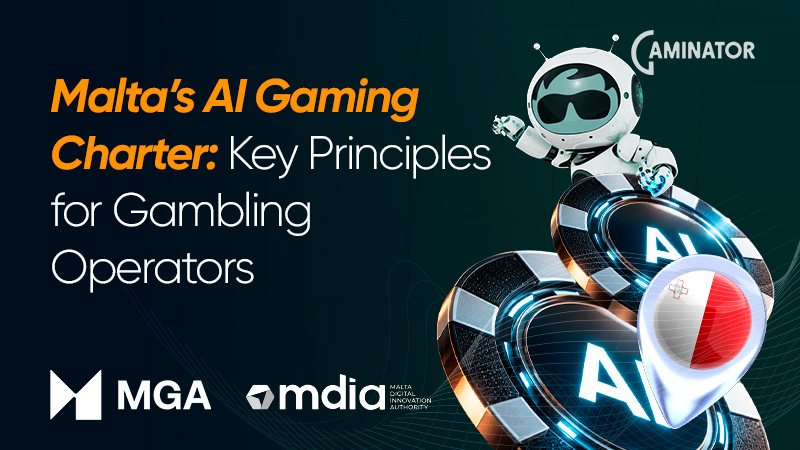
Malta’s AI Gaming Charter: Key Principles for Gambling Operators
AI Adoption in Gambling and the Need for Guidance
iGaming businesses already use artificial intelligence for customer support, fraud detection and signs of player vulnerability. But the MGA’s research found that oversight had not always kept pace with the speed of technology adoption. Many respondents reported having adequate infrastructure in place, whilst documentation, staff training and fairness checks were less well established. Formal risk management and incident response strategies were also still in the early stages of development.
Surveys, discussions with licence holders and specialist consultations helped both authorities to develop practical recommendations to address these gaps. The Charter recommends security measures proportionate to the potential impact of each specific application. For example, a programming assistant may require less stringent controls than a tool affecting account limits.
Participation is voluntary and creates no additional legal obligations. Existing requirements, including the classifications under the EU Artificial Intelligence Act, remain unchanged, while businesses must determine which duties apply to their activities.
Charter’s Priorities and Safeguards
The guidance focuses on where AI fits in day-to-day operations and what its limitations mean for people. Licensees should assign clear responsibilities and keep appropriate records. Employees also need the knowledge to assess outputs and respond when something goes wrong.
3 priorities link these arrangements to customer welfare:
- Human oversight. Algorithms can flag unusual activity and potential gambling harm. Professional judgement remains essential when results affect account access or someone’s well-being. Unresolved enquiries, distress and requests for personal assistance should trigger escalation. In such cases, communications should be immediately referred to trained staff.
- Transparency and accountability. Businesses should explain how AI contributes to important decisions. Clear ownership helps establish who coordinates implementation across departments. Education helps employees better understand the technology’s capabilities and limitations. Communication should remain useful without exposing commercial secrets or sensitive fraud prevention methods.
- Player protection. Behavioural monitoring can help identify vulnerability and guide timely intervention. Such tools should strengthen existing responsible gambling measures. However, false alerts and missed warning signs nevertheless remain possible. Testing, ongoing checks, and expert human assessment are essential in all cases where automated recommendations influence an individual's treatment.
Institutional Cooperation
The 2 Maltese authorities developed the Charter through extensive engagement with businesses and other stakeholders. Sector-wide surveys, targeted discussions and a dedicated consultation process helped shape guidance suited to operational realities. Representatives from the public administration, industry and technology community subsequently attended the launch event. The occasion provided an opportunity to discuss both innovation’s benefits and the challenges surrounding its adoption.
The MGA’s CEO, Charles Mizzi, presented the initiative as a shared commitment to the responsible and transparent use of artificial intelligence. He described the regulator’s task as providing certainty and confidence so that new developments can progress safely.
The MDIA’s CEO, Kenneth Brincat, placed trust at the centre of successful implementation, alongside practical understanding and continued human oversight. He also highlighted the combination of digital governance expertise and gambling-sector knowledge behind the collaboration.
Long-Term Stewardship of AI Technologies
Beyond initial deployment, the document encourages an inventory that identifies relevant systems, their purpose, ownership, and risk classification. Such records should support monitoring, change management and engagement with supervisory bodies throughout the lifecycle.
Businesses remain responsible for determining which obligations apply to their particular activities, based on their role and operating circumstances. Periodic updates to the Charter may reflect legislative changes, evolving ethical standards and technological advances.

Check the information used to contact us carefully. It is necessary for your safety.
Fraudsters can use contacts that look like ours to scam customers. Therefore, we ask you to enter only the addresses that are indicated on our official website.
Be careful! Our team is not responsible for the activities of persons using similar contact details.