Casino Configurator
Montenegro’s Gambling Audience: Local iGaming Growth in 2026
A market of just over 623,000 residents still requires a very specific operating approach. That was Montenegro’s population in its latest census, which makes every meaningful customer segment relatively concentrated.
The regulatory environment has also changed considerably. A new Games of Chance Act came into effect on 14 August 2025. The decree introduced a licensing framework for the sector and replaced the previous concession model to strengthen player-protection requirements. Government data shows that online gambling generated $14.51 million in budget revenue during 2024, compared with $1.85 million one year earlier. That increase reflects legal changes as well as stronger state oversight, so it should not be read purely as a measure of player growth.
For operators, the opportunity comes with a clear localisation challenge. Montenegrin users tend to value familiar entertainment and straightforward conditions. Meanwhile, aggressive communication can create unnecessary friction.
Montenegrin Players

The customer base covers digital and land-based formats. Different groups show distinct channel habits. Younger adults lean more heavily towards smartphones, while established players still move between websites and physical venues.
Gender also influences the product mix. Men form the larger part of the gambling public in the supplied market profile, while female customers show comparatively stronger interest in lotteries and casual formats.
The main traits:
- adults in their late twenties to early forties;
- mobile-oriented younger customers;
- male-majority participation;
- mixed online and offline behaviour;
- stronger digital demand in cities;
- continued relevance of retail venues outside urban centres.
Geography deserves particular attention here. Montenegro has a small territory, yet the difference between a city-based digital customer and a visitor to a traditional betting shop can affect product presentation significantly.
A web-first brand therefore needs a different acquisition plan from a business that combines remote activity with physical points. The same creative or promotional flow will not automatically perform equally well across those environments.
Gambling Habits
Participation comes from several motivations. That is why operators should understand them before they decide to build communication. Economic conditions form part of the picture, while social habits also influence how entertainment fits into daily life.
The country’s dependence on visitor numbers is one of the key factors. The IMF describes international tourism as a major force behind economic performance and linked its 2025 outlook partly to the summer season.
This environment creates several behavioural patterns:
- Some customers may view gambling through an income lens. Seasonal economic activity can make a monetary return more attractive during quieter periods. Operators should avoid strengthening the idea that betting provides dependable earnings, especially because promotional claims require careful legal treatment.
- Shared leisure has strong appeal. Time spent with close social circles has an important place in the local lifestyle, so sports wagering or casino entertainment can become part of group activity.
- Simple outcomes can feel more accessible. A product with understandable mechanics reduces the mental effort required before participation. Complicated long-term systems may create a higher entry barrier for cautious users.
- Control can reduce hesitation. Clearly explained rules help customers understand what happens after they deposit or place a wager. Reliable processing then strengthens confidence in the service.
These motivations have an important commercial consequence. Messages built around easy comprehension can fit the market better than campaigns filled with urgency. The financial angle also requires care. Gambling contains inherent risk, so promotional content should present paid play as entertainment and avoid expectations of stable income.
Most Popular Gambling Products
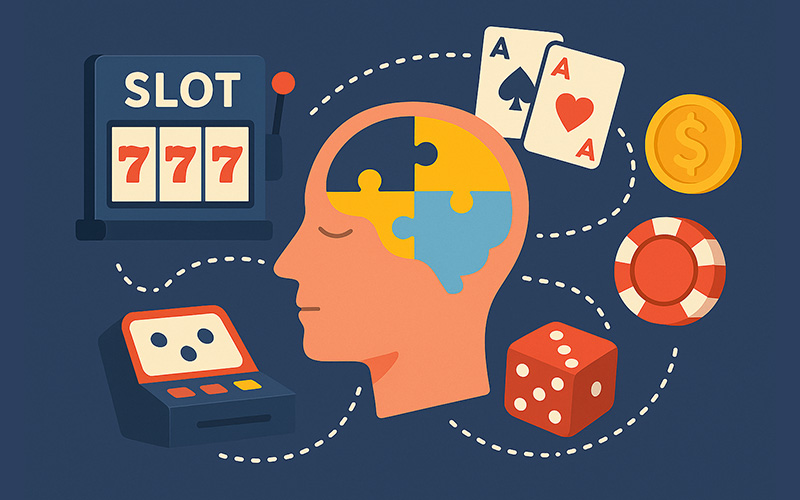
The strongest verticals in the market are slots and sports betting. Their popularity gives operators two natural starting points when they build a lobby or prepare retention campaigns.
Product preferences still differ by user type. Someone who follows football regularly may respond to a sportsbook-first interface, while another customer can arrive specifically for casino entertainment.
Slot Content
Reel games occupy a prominent position in the local product mix. International suppliers are familiar across the wider European gambling environment, which offers established content an advantage when players want recognisable mechanics.
The supplied profile highlights titles from brands such as Pragmatic Play and Play’n GO. NetEnt and Microgaming also belong to the group of familiar foreign suppliers.
For an operator, catalogue size alone should not determine the selection. A smaller lobby with relevant titles supports discovery more effectively than a huge collection with weak organisation.
Sports Betting
Football remains the obvious anchor for sportsbook communication. Basketball also carries strong local relevance, while tennis and eSports provide room for broader segmentation.
This preference creates practical opportunities around major competitions. Tournament schedules can support contextual CRM messages without exaggerated promises.
Sports imagery also has value outside the betting interface. A trophy or match-related visual gives a creative and immediately recognisable setting, which can communicate more efficiently than generic images of money.
Live Casino
Dealer-led roulette and blackjack add another familiar layer to the gambling offer. These products combine traditional table mechanics with digital access, which can suit users who want a recognisable format on a remote platform.
Live content can also support cross-selling from slots. The transition should remain easy because unnecessary steps can weaken interest before the player reaches the table.
Lotteries and Other Casino Activities
Sweepstakes products retain their own customer group. This also includes a comparatively stronger female segment. Traditional tables account for a smaller part of the overall mix but still provide useful variety.
The commercial lesson is simple. Product ranking should follow actual customer behaviour in the target region, while extra categories can broaden the offer after the core lobby works well.
Mobile Use and the Geographic Divide
Digital access has become an important part of the Montenegrin gambling environment. Younger customers are particularly comfortable with smartphone-based services, which increases the value of fast pages and simple account journeys. Urban areas provide the clearest setting for online adoption. Greater digital familiarity can make remote betting or casino sessions a natural part of everyday entertainment.
Smaller communities preserve a stronger role for retail infrastructure. Betting shops and gaming halls still provide a familiar physical setting where customers can combine gambling with social interaction. Operators should therefore consider where their intended users live before they decide how heavily to rely on one channel. A digital-only project can work with a different customer journey from a hybrid business.
Mobile optimisation also extends beyond responsive design. Registration should require minimal friction, and payment information needs to remain easy to read on a small screen. A platform that makes these basic actions difficult can lose customers before game selection even matters.
“Polako” for Marketing
A useful cultural cue for communication is polako. It implies an association of doing things calmly and without unnecessary haste. For gambling brands, that idea translates into a lower-pressure style. Montenegrin customers can be cautious when conditions feel uncertain. Heavy urgency may therefore create suspicion where a calm explanation would build more confidence.
Principles for the approach:
- low-pressure communication;
- transparent bonus conditions;
- simple user journeys;
- visible brand credibility;
- familiar cultural references;
- clear customer controls.
This tone does not require boring advertising. Strong creative work can still use emotion, particularly around sports or shared entertainment. The difference lies in how that excitement is presented. A customer should understand the context quickly and feel that the next action remains under personal control.
Trust before Excitement
Reliability carries substantial weight in a compact market. Recommendations spread easily through close social networks, which increases the value of a positive brand reputation.
Personal connections also influence how unfamiliar services are judged. An operator that consistently handles payments and explains its terms builds recognition through repeated good experiences.
Uncertainty Creates Friction
Complicated promotional conditions can make a cautious customer hesitate. Unclear withdrawal rules produce the same problem.
Transparency therefore has strong value across the entire journey. It helps users understand the commitment before they deposit and reduces avoidable disputes later.
Familiarity Supports Confidence
Recognisable sports can offer communication an immediate context. Established casino mechanics offer a similar benefit inside the product.
Localisation strengthens that effect. Montenegrin should be the natural priority for locally directed communication, while English can support international positioning or tourism-facing campaigns. A brand aimed at the domestic market gains more from communication that feels deliberately prepared for its users.
Reputation Influences Choice
A trusted name reduces hesitation when competing offers look similar. Reliability becomes especially important around deposits and payouts because these moments directly affect customer confidence.
Operators should support that perception through consistent service. Promotional creativity cannot compensate for a weak cashier or confusing conditions.
New Advertising Restrictions

Acquisition now operates inside a much narrower legal framework. The 2025 legislation introduced strict limits on where gambling promotion can appear and what operators can communicate.
The main restrictions that reshape the marketing funnel:
- Television and radio have a limited window. Gambling advertisements are prohibited between 06:00 and 22:00, which removes most daytime broadcast exposure.
- Public placements face strong limits. Branding can appear on operator premises or vehicles under defined conditions, while public advertising is otherwise restricted.
- Online media access is narrow. Internet publications generally cannot carry gambling promotion outside dedicated sports environments.
- Bonus visibility belongs mainly to approved channels. Information about benefits such as jackpots or free spins can appear on official operator websites and certain sponsored sports sites.
- Every permitted message needs responsible-gambling information. Advertising must include an addiction warning and state that minors cannot participate.
The Act also prohibits exterior branding that can become an invitation to gamble. This distinction pushes marketers towards context and brand presence while direct calls require much greater care. The result changes the balance between acquisition and retention. Broad reach becomes harder to buy, which makes an existing registered user base more commercially valuable. CRM therefore gains extra importance. Email and on-site communication can support long-term relationships within applicable consent requirements and local rules.
Effective Creative Formats for Montenegro
Visual communication benefits from immediate recognition. Sports provide a particularly strong environment because customers can understand the subject within seconds. Tournament-related imagery can therefore work well for betting campaigns. The creative does not need an aggressive financial promise when the event itself already creates interest.
Useful elements:
- football imagery;
- basketball references;
- trophies;
- tournament branding;
- calm visual layouts;
- local-language copy;
- clear legal information.
Casino materials can follow a similar principle. Familiar game environments help users identify the product quickly, while transparent supporting text prevents the message from becoming vague. Operators also need to treat language as part of positioning. A locally oriented campaign should feel written for the market from the beginning.
Applying Audience Data to Product Decisions
Demographic data becomes commercially useful when it changes the platform. Operators can apply the local profile to UX choices and retention logic.
Priorities that stand out:
- Keep the mobile journey short. Younger users already favour smartphone access, so registration and cashier flows should remain easy on smaller screens.
- Give the strongest verticals visible positions. Slots deserve prominent placement, while sports wagering can receive equal attention during major competitions.
- Reduce ambiguity throughout the platform. Bonus requirements should be easy to locate. Withdrawal conditions also need plain wording.
- Build stronger retention infrastructure. Restricted mass advertising increases the importance of CRM once a user has joined the brand.
- Match communication to the local pace. A calm style can provide enough excitement and will not create unnecessary pressure.
These decisions are relatively simple individually. Their combined effect determines whether an international product actually feels appropriate for Montenegro.
The Main Things About Montenegro’s Gambling Audience
The country combines a compact customer base with meaningful gaming activity and a stricter regulatory system. Its 2025 reform has changed how operators enter the sector and how brands can communicate with potential users. The country also shows why localisation needs to go deeper than translation. Cultural pace affects marketing, while channel habits influence product design.
The key points for operators:
- Montenegro has a relatively small but concentrated gambling audience, which makes accurate localisation especially important for operators.
- Mobile use continues to shape digital behaviour, while land-based venues still maintain relevance outside the main urban areas.
- Slots and sports betting remain among the strongest product categories, so they can form the core of a locally adapted offer.
- Clear conditions, reliable payments, and transparent communication can strengthen trust among customers who tend to approach risk cautiously.
- Strict advertising limits increase the commercial value of retention, CRM activity, and long-term relationships with already registered users.
The clearest opportunity lies in a product that feels easy to understand and dependable to use. Montenegro may be a small jurisdiction, but local expectations makes generic regional campaigns much less effective.

Check the information used to contact us carefully. It is necessary for your safety.
Fraudsters can use contacts that look like ours to scam customers. Therefore, we ask you to enter only the addresses that are indicated on our official website.
Be careful! Our team is not responsible for the activities of persons using similar contact details.