Casino Configurator
Nevis Launches a Separate Prediction-Markets Licence
The authority developed this approach because event-based trading operates differently from conventional iGaming. Pricing mechanisms, liquidity arrangements and settlement procedures require oversight suited to their particular characteristics.
New Licence Type and Scope
The NOGA issues permits for prediction portals separately from its existing online gambling certificates. The regulatory body has established 2 categories. B2C is for brands that give customers access to trading, while B2B is for tech and service suppliers that support these platforms. Each applicant will undergo individual assessment based on its proposed activities. Approval depends on the organisation’s operational structure, potential risks and applicable legal requirements.
The framework encompasses a broad range of event-based contracts. The announced scope accommodates fields ranging from competitive sport to changes in economic indicators. However, approval remains subject to an individual assessment. The NOGA will determine which activities are permitted after examining each submission.
Covered event categories include:
- sporting competitions;
- financial and economic indicators;
- politics and elections;
- entertainment;
- weather and climate;
- cryptocurrencies and digital assets.
The NOGA also allows models for organising trading, such as:
- parimutuel systems;
- multi-result and binary options;
- projects involving market makers, etc.
Each mechanism remains subject to regulatory approval. This flexibility allows for different approaches to be adopted without assuming that every configuration presents identical risks.
Customer Protection and Trading Standards
Established requirements for corporate due diligence form the basis for supervision. Financial transparency also remains of the utmost importance, alongside measures to combat money laundering and the financing of terrorism. Additional safeguards address concerns arising from contracts whose settlement depends on external events. These provisions cover conduct throughout a platform’s operation, not just its initial assessment.
The main areas of oversight include:
- Market integrity. Prevention of attempts to manipulate trading.
- Conflicts of interest. Management of competing interests.
- Participant funds. Appropriate safeguards for customers’ money.
- Outcome determination. Use of dependable sources for establishing results.
- Settlement clarity. Clear explanation of the process for concluding contracts.
- Dispute resolution. Mechanisms for handling disagreements.
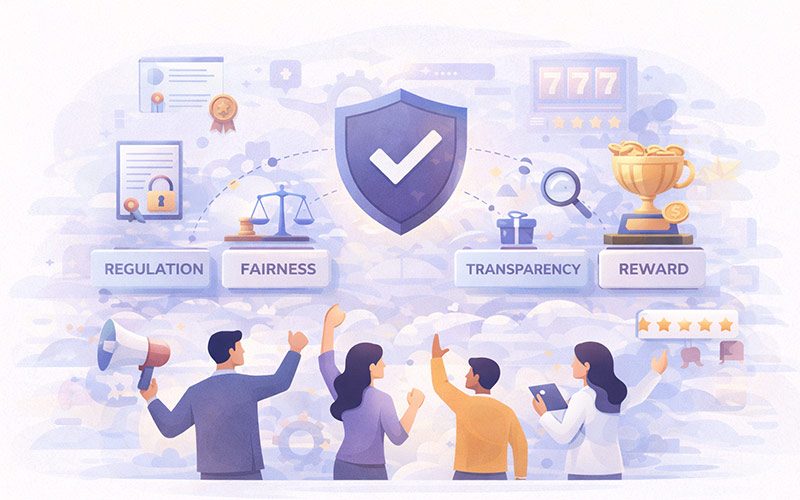
These control measures govern the decision-making process and its implications for participants. Reliable evidence must support the final result, with an appropriate procedure available when someone challenges it. Clear rules also explain what happens between an event’s conclusion and completion of the associated contract. Such mechanisms form part of NOGA’s broader approach to ensuring fair treatment.
Documentation and Approval Procedures
The NOGA reported that the supporting resources were accessible online from November 2nd, 2026. The published package includes separate application forms alongside detailed licence conditions. Guidance also outlines relevant requirements for preparing a formal submission.
Prospective applicants are encouraged to discuss their plans with the authority before proceeding. An initial consultation can help establish whether the proposed business model meets eligibility criteria. This exchange also allows companies to clarify obligations specific to their intended operation. Early contact therefore helps companies understand what they must address in their documentation.
Regulatory Objectives and Industry Oversight
Nuri Katz, NOGA’s CEO, presented clearer expectations for businesses as a central aim of the initiative. His comments also placed fair markets and participant safeguards at the heart of supervision. The announcement responds to a sector whose operating models can vary considerably across platforms. Rather than treating every proposal alike, the approach allows those distinctions to inform regulatory decisions.
The intended benefits also extend to organisations supporting this industry. Payment providers, for example, may gain a clearer basis for understanding prospective clients’ status. Technology partners similarly have a defined licensing category relevant to their role. Such clarity is an objective of the initiative, rather than a promise that commercial relationships will become easier in every case.
Overseas Compliance and Operating Conditions
The NOGA does not override the legislation of other countries. Businesses remain obliged to adhere to the requirements of the jurisdictions in which they provide their services. Therefore, the specific regulatory framework must be considered alongside the restrictions in force in the target territories. Its introduction does not automatically guarantee the right to reach an international audience.
This distinction separates a licence issued by NOGA from the obligations arising abroad. Companies must consider both when assessing the practical scope of their plans. The proposed expansion of activities may entail additional requirements beyond those set out in the original authorisation. Commercial decisions must therefore reflect the conditions applicable in each target jurisdiction.

Check the information used to contact us carefully. It is necessary for your safety.
Fraudsters can use contacts that look like ours to scam customers. Therefore, we ask you to enter only the addresses that are indicated on our official website.
Be careful! Our team is not responsible for the activities of persons using similar contact details.