Casino Configurator
The New Role of iGaming Platforms in 2026
A few years ago, most teams judged the core stack by whether it ran without any difficulties. Smooth uptime, steady performance, clean payment routing, and a long list of integrations used to be enough to keep operations healthy.
That comfort zone is gone. Rule changes arrive faster, media buying costs more, and margins feel tighter from several sides at once. Under that pressure, software cannot stay in the silent background layer. It now has to behave like a business system that adapts at the same speed as the market.
What Operators Expect from a Modern Platform

Today, investors want results that show up in daily work, not only a feature catalogue. The questions sound practical, and they usually come early in vendor talks.
A typical set of expectations that shapes shortlists:
- fast regulatory adjustments;
- brand launches within weeks;
- analytics that trigger retention actions;
- efficient localisation workflows;
- instant scaling during traffic surges.
Each point is related to speed and control. When budgets tighten, “later” becomes expensive, and “manual” transforms into risky.
How the Market Moves from Tools to Co-Creators
Competition in iGaming keeps accelerating, and 2026 raises the bar again. Content and odds still matter, yet advantage increasingly comes from reaction time, journey refinement, and cost discipline. Older systems did not aim for that blend of commercial strategy and backend logic, so many operators now feel the gap.
The current pain points explain why expectations rise:
- Regulatory volatility. New requirements can reshape KYC steps, marketing permissions, and reporting routines on a quarterly rhythm. A modern solution needs to follow these shifts closely and adjust flows without long delays.
- Data overload without direction. Many teams have dashboards everywhere, but clarity stays rare when it matters most. Leaders need analytics that recommend targeting, timing, and offer logic, not just charts and exports.
- Retention as the core growth lever. Acquisition costs continue to climb, so lifetime value becomes the centre of gravity for planning. The stack should support personalisation and loyalty structures.
- Fragmentation across key systems. Separate tools for payments, risk, and CRM can slow decisions and blur visibility. Operators increasingly seek unified control with real-time oversight, enabling teams to act with confidence.
Leading operators no longer want a vendor that only powers operations. They look for a partner that thinks in ROI, speaks in growth metrics, and builds tech that evolves alongside the business.
Which Way Partnerships Back the Technology
Progressive industry stakeholders position their product around the idea of moving in step with the operator’s direction. That means readiness for regulatory change, flexibility for different growth paths, and a relationship model that feels closer to partnership than supply.
How operators benefit from progressive collaborations:
Anticipation of Regulatory Change
Compliance now shapes market behaviour. A tax update or a new marketing restriction can change revenue logic quickly, sometimes in ways that ripple across the entire funnel.
Top providers highlight ongoing monitoring across regulated markets as part of their operating mindset. The goal is to reduce the gap between a rule update and a working adjustment inside compliance flows. In that context, ISO 27001 matters as a signal, and security and adherence should sit within the structure.
Growth Support With Adaptable Systems
Expansion rarely follows a single route. One operator scales via a multi-brand strategy, another focuses on localisation, while a third pushes toward omnichannel presence. A rigid setup makes each path slower and more expensive than it needs to be.
The diversity of models and the ability to match different operating styles are key features for top aggregators.
The standard set typically includes the strategies:
- a turnkey delivery;
- API integration;
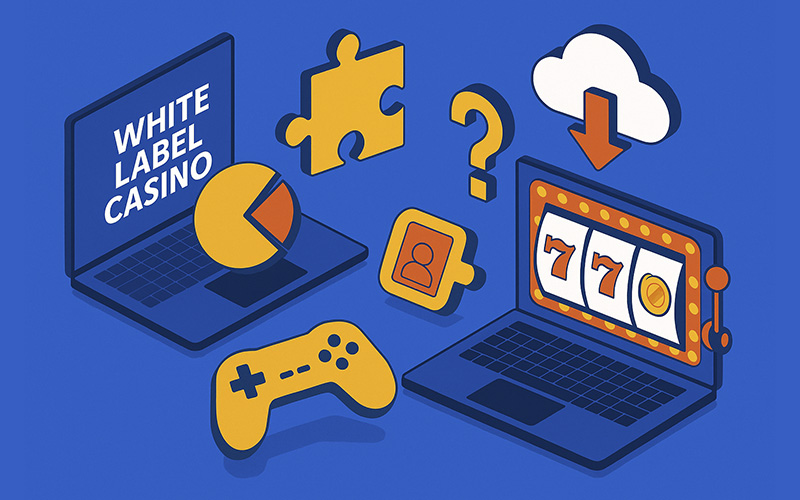
- White Label approach;
- retail direction;
- advanced analytics tied to retention, risk, and niche entry;
- localisation tools that support multi-market execution.
The important point is not the label of each model. The value lies in how quickly teams can test, launch, refine, and expand without rebuilding core logic each time.
Strategic Partner Role
A technical launch is only the beginning of the relationship. Operators now expect vendor teams to participate in launch planning, audience segmentation, and post-migration improvements.
The most sought-after suppliers deliver platform insight within their commercial choices. The intent is to add value that goes beyond implementation work, with decisions informed by aggregated learnings across the system.
Common areas where this support shows up:
- promotion planning and timing;
- bonus structures and segmentation logic;
- content rotation decisions informed by performance signals.
This type of cooperation changes the tone of B2B work. Instead of “deliver the tech and step back,” the model is more like “build, measure, adjust, and repeat.”
Where A New Phase in B2B Platform Relationships Begins
In the current landscape, stability is only the entry ticket. Reliability still matters, but it no longer differentiates, because every serious provider promises uptime and basic integrations.
Selection now leans toward long-term alignment. Operators take roadmaps, data practices, and regulatory readiness as seriously as feature depth. Player trust also sits on the table, since compliance discipline and risk control can shape brand credibility over time.
This is where the platform’s role becomes strategic. The system influences how quickly a business can react, how confidently it can operate under regulatory pressure, and how effectively it can grow when acquisition turns costly.
What Value Looks Like in Practice
A modern iGaming platform earns its place through outcomes that teams can measure. Features matter, but results decide whether a vendor stays in the stack.
Practical signals that define value in this new phase:
- Faster launches and brand rollouts. Shorter launch cycles reduce opportunity cost and help teams act while a market window is still open.
- More efficient compliance responses. Quick adjustments to new rules lower operational risk and reduce the need for constant manual patchwork.
- Higher retention through smarter foundations. Better use of data, plus strong personalisation and loyalty structures, supports LTV growth when acquisition becomes expensive.
None of these outcomes belongs to a single feature. They come from a product that connects compliance, analytics, and execution into one operating rhythm.
The Main Things about the New Role of iGaming Platforms
The definition of a gambling solution has expanded, and the shift is not cosmetic. In 2026, the core system increasingly acts as a co-pilot, helping teams navigate volatility.
Key aspects to keep in mind about platform aggregators:
- Stability is now a baseline expectation, not a competitive advantage.
- Operators want regulatory readiness, not slow compliance updates.
- Analytics must drive actions that improve retention, not only reporting.
- Unified control matters because fragmented tools slow decisions.
- Strategic partnership has become part of the value, not a bonus.

Check the information used to contact us carefully. It is necessary for your safety.
Fraudsters can use contacts that look like ours to scam customers. Therefore, we ask you to enter only the addresses that are indicated on our official website.
Be careful! Our team is not responsible for the activities of persons using similar contact details.