Casino Configurator
How Crypto Gambling Enters Video Games
The line between play and wagering has blurred significantly over the last decade. A game can still look like a shooter, survival sandbox, or casual multiplayer world, while its economy may include random rewards, tradable assets, casino-style mini-games, or server-based bets.
Gaming is already a huge digital entertainment market. The global games revenue is estimated at $188.8 billion for 2025. Market forecasts expect the broader sector to move towards the $500 billion to $600 billion range in the early 2030s. As an audience of this size grows comfortable with digital wallets, in-game value, and crypto payments, wagering mechanics naturally find new routes into these communities.
For players, this trend brings both excitement and risk. For operators, it shows how strongly younger and crypto-native audiences respond to interactive formats, fast payments, and community-based experiences.
Wagering Mechanics in Games

Some popular titles use chance-driven systems that resemble casino logic even when the main product is not promoted as gambling. These features usually enter the experience through rewards, upgrades, cosmetics, or community add-ons.
The most common formats:
- loot boxes;
- random reward packs;
- tradable skins;
- in-game roulette;
- community card rooms;
- server-based wagers;
- crypto deposits for internal balances.
At first glance, these mechanics may seem harmless because they often use virtual items or game currency. The situation changes when those items gain resale value, give gameplay advantages, or become connected to real payment methods.
That is where entertainment starts to look much closer to gambling. A player pays or risks something of value, waits for an uncertain result, and hopes for a better outcome than what they started with.
Loot Boxes, Skins, and Random Rewards
Chance-based containers are the easiest example to understand. A player buys or earns a box, case, pack, or chest, opens it, and receives a random item. The result can be common, rare, visually attractive, or valuable on a secondary market.
Counter-Strike became one of the most discussed examples because its case system connects randomised item drops with weapon skins that can hold market value. The game itself is a competitive shooter, but its cosmetic economy has created a separate layer of interest around rarity, price, resale, and status.
Research has repeatedly linked loot box spending with problem gambling indicators. A 2021 study by Heather Wardle and colleagues found a strong association between loot box acquisition and gambling-related harm among young adults. A wider meta-analysis also found that loot box spending shares measurable links with problem and excessive gaming.
Regulators have also paid closer attention. In 2024, the UK Gambling Commission reported that 27% of surveyed 11 to 17-year-olds had paid to open loot boxes, packs, or chests. In 2025, the US Federal Trade Commission announced a $20 million settlement with the developer of Genshin Impact over allegations related to loot boxes, children’s data, and unclear purchase costs. In 2026, the New York Attorney General filed a lawsuit against Valve over loot box allegations connected to Counter-Strike and other titles.
These cases show that the topic is much more serious than just a niche debate. Random rewards inside games now sit under legal, commercial, and consumer-protection scrutiny.
Casino Corners Inside Virtual Worlds

Game-based wagering does not always rely on loot boxes. In some titles, casino-like features appear through official mechanics, player-made spaces, or private servers.
Several formats show how broad this trend can be:
- Rust roulette. The game includes a roulette-style feature where players can risk in-play currency. A strong result can improve progression, which makes the mechanic feel relevant to the wider game economy.
- Community card games. Sandbox audiences often create their own social interactions. Card rooms, informal poker tables, and small wagering formats can appear when communities have enough freedom to build custom experiences.
- Minecraft server casinos. Private servers can add their own economies, shops, mini-games, and casino-style formats. In some cases, users can deposit crypto and receive internal balances for games of chance.
- Skin and item betting. Some external sites have used game items as wager value. This format can be especially confusing because players may feel they are betting cosmetics, although those items can represent real money.
A gambling feature may sit outside the official product, but it can still influence how players use the game, how they spend, and how much risk they accept.
Digital Coins Influence
Bitcoin, Ethereum, and other assets fit naturally into many gaming communities. A lot of server owners and active players are comfortable with wallets, digital marketplaces, token transfers, and online payment tools.
Crypto also solves a practical problem for private server operators. It moves funds across borders quickly, avoids some traditional payment barriers, and lets small communities accept payments without a complex banking setup. From the player’s perspective, the process feels straightforward. Send coins, receive internal credits, choose a game, place a wager, and withdraw after a win.
That smooth flow is also the risk. A Bitcoin transaction cannot be reversed and can only be refunded by the recipient. The US Federal Trade Commission also warns that cryptocurrency payments usually lack the legal protections that debit and credit cards can provide.
This means a crypto deposit into a private gaming server requires a high level of trust. Once the transaction is complete, the player depends on the owner’s rules, honesty, liquidity, and technical setup.
High Risk of Private Server Wagers
A licensed crypto casino operates under formal obligations. It has to follow licensing rules, payment standards, responsible gambling requirements, and dispute procedures. A private game server usually does not have the same structure.
The main risks:
- no gambling licence;
- no recognised regulator;
- no official complaint channel;
- unclear payout reserves;
- possible withdrawal limits;
- weak age checks;
- limited responsible gambling tools;
- unverified game fairness;
- sudden rule changes.
This does not mean every private server is malicious. Some communities may run fair mini-games and pay users properly. However, the player has fewer protections if something goes wrong.
A licensed venue can lose market access, payment partners, and reputation after unfair behaviour. A private owner may simply close the server, change the rules, or ignore complaints. That difference is critical when real or virtual money enters the picture.
Trust Problem in Crypto Wagers
Digital asset payments make private game gambling faster, but they also make disputes harder to resolve. Once coins reach the recipient, the user cannot rely on a bank chargeback or card provider investigation.
The most common problem scenarios:
- The deposit does not appear. A player sends crypto to the correct wallet, but the internal balance is not credited. Without automated tracking, support standards, and payment records, the user may have no practical solution.
- The large win is delayed. A small payout may arrive quickly, but a bigger withdrawal can expose weak reserves. If the server owner does not hold enough liquidity, the winner may wait or receive nothing.
- The rules change after the wager. Private platforms can adjust withdrawal limits, fees, bonus conditions, or verification demands with little warning. This creates uncertainty around every larger balance.
- The server disappears. A private project can shut down without a formal closure process. In that case, users may lose balances, game progress, and digital assets at the same time.
- Legal proceedings cost too much. A player may technically have the right to take action. In practice, the process can be slow, expensive, and difficult when the operator’s location is unclear.
For this reason, crypto gambling inside video game spaces should never be treated as a casual extension of normal play. Once funds enter the system, the user needs the same caution they would apply to any financial transaction.
Safer Routes for Game-Themed Casino Play
Players who enjoy casual gaming environments do not need to rely on private servers. Licensed online casinos already offer many titles with adventure themes, fantasy worlds, missions, progress features, animated characters, and interactive bonus rounds.
The safer choice is a venue that combines entertainment with accountability. This means the casino should hold a valid licence, offer tested games, clear terms, reliable payments, and responsive support.
Safe crypto casino setup:
- valid operating licence;
- tested RNG mechanics;
- clear bonus rules;
- transparent crypto deposits;
- defined withdrawal terms;
- responsible gambling tools;
- public reviews;
- support access.
This route gives players the same digital excitement with much stronger protection. It also helps operators build long-term trust because users can enjoy game-inspired products without the uncertainty of private server control.
Trend Relevance for Operators
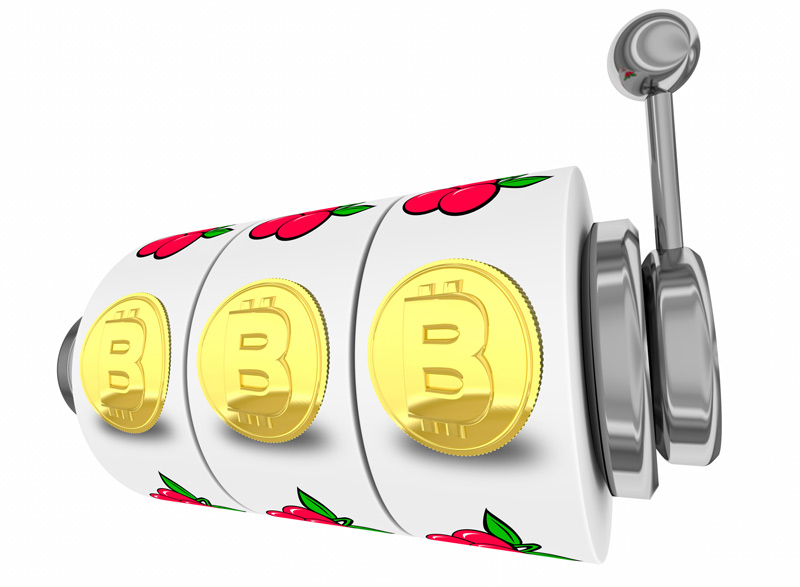
The connection between video games and crypto wagering gives iGaming businesses several useful lessons. The demand is real, but the best commercial answer is a regulated, transparent product.
Key operator takeaways:
- Interactive design attracts digital audiences. Players respond to missions, progress bars, collectibles, avatars, tournaments, and social mechanics. These features can increase engagement when they are used responsibly.
- Crypto payments need a strong structure. Fast deposits matter, but wallet security, transaction tracking, withdrawal rules, and compliance checks matter just as much. A weak cashier flow can damage trust quickly.
- Fairness must be visible. Players need to understand how outcomes work. Clear RTP data, tested RNG systems, and easy access to terms reduce confusion and complaints.
- Community can strengthen retention. Game audiences often value social identity, competition, and shared goals. A casino can use tournaments, leaderboards, loyalty tiers, and challenges to create the same sense of involvement.
- Regulation supports growth. A licensed setup provides the business with greater stability. It opens doors to better partners, stronger payment options, and a more confident user base.
Game-inspired gambling can work when the product is built with compliance, transparency, and reliable infrastructure from the beginning.
The Main Things about Crypto Wagering in Video Games
This combination needs careful handling. Players may enjoy random rewards, skins, roulette-style features, and private server mini-games, yet real protection usually appears only inside regulated gambling environments.
Key aspects to keep in mind:
- Video games can include chance-based mechanics that resemble casino products.
- Loot boxes and skins become more sensitive when they connect with real value or resale markets.
- Crypto payments make deposits faster, but transactions are difficult to reverse once completed.
- Private server gambling often lacks licences, dispute procedures, and reliable payout guarantees.
- Licensed crypto casinos offer safer conditions through tested games, clear rules, and responsible gambling tools.

Check the information used to contact us carefully. It is necessary for your safety.
Fraudsters can use contacts that look like ours to scam customers. Therefore, we ask you to enter only the addresses that are indicated on our official website.
Be careful! Our team is not responsible for the activities of persons using similar contact details.