Casino Configurator
Soft Gambling: How Slots and Blind Boxes Turn Chance into Spending
Wagering mechanics have moved beyond the boundaries of a traditional casino and into many areas of modern entertainment. Users now encounter paid uncertainty in video games, mobile apps, collectable toys, trading cards, social casino products, and limited-edition retail drops. The format feels softer than a slot machine, yet the core idea remains familiar. A person pays for access to a result that cannot be known in advance.
This is where soft gambling comes in. It describes systems that are not always legally classified as wagering but still borrow the emotional drivers of chance, anticipation, rarity, and repeat spending. A slot, a loot box, and a blind box may belong to different industries, but all three encourage users to chase an uncertain reward.
Soft Gambling in a Nutshell

The concept describes chance-based spending that feels lighter than traditional wagering. Users do not always enter a casino, visit a sportsbook, or place a formal bet. They may buy a mystery toy, open a digital pack, or pay for a random cosmetic item inside a game.
The softer appearance changes how risk is perceived. A slot machine openly signals a gambling session. A blind box looks like shopping. A loot box appears as part of gameplay. This distinction matters because it can make the spending pattern feel playful, casual, and socially acceptable.
The basic loop is easy to recognise:
- payment;
- uncertainty;
- reveal;
- emotional reaction;
- possible repeat purchase.
That loop explains why soft gambling sits between several industries. It borrows from casino design, gaming, retail, social media, and collectable culture. The result is a broad category that may attract users who would never describe themselves as gamblers.
Slots, Loot Boxes, and Blind Boxes
The three formats look different at first glance. One belongs to regulated gambling, another exists within digital games, and the third is typically found in retail. Under the surface, they all sell access to uncertainty.
Slots
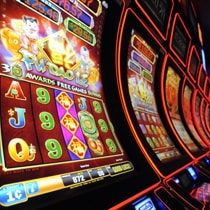
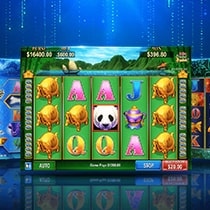
The player stakes money, starts a spin, and receives an outcome generated by certified software. In regulated markets, slots rely on random number generators, defined payout models, return-to-player settings, and testing requirements.
The user may receive a win, a smaller prize, or nothing. This clear possibility of financial loss is why slots fall under gambling legislation. Operators must follow licensing, fairness, responsible gambling, and technical compliance requirements.
Loot Boxes
These paid digital containers reveal unknown in-game content. The item can be common, rare, cosmetic, functional, tradable, or linked to progression. UK regulatory discussions describe loot boxes as paid opportunities to receive unknown in-game items, while the legal question often depends on whether the reward can be converted into money or money’s worth.
These systems can feel safer because the user usually receives something. However, the desired reward remains uncertain. In many cases, the strongest emotional trigger is the pursuit of a rare item.
Blind Boxes
These are sealed physical products with a hidden item inside. The buyer knows the collection but does not know the exact figure, card, or toy. This model is common in collectables, designer toys, card packs, and trend-driven retail.
The user always receives a product, which is why blind boxes are generally treated as retail goods. Still, the pursuit of a rare item makes the model familiar to anyone who understands casino psychology. Beyond the value of the object itself, much of the appeal lies in the reveal.
Legal Boundary
Authorities usually assess gambling through three basic elements: payment, chance, and a prize with value. Slots meet this test directly, which makes their status clear. Loot boxes and blind boxes are harder to classify because their rewards may be digital, restricted to one game, or always delivered as a physical item.
In the UK, loot boxes have not been brought under gambling law in the same way as casino products because in-game items cannot be cashed out. The UK government also opted for industry-led protections in 2022 rather than introducing new legal rules, although it kept future legislation open as an option.
Belgium took a stricter approach. In 2018, the Belgian Gaming Commission concluded that some paid loot boxes fell under gambling rules, which forced major game publishers to remove or adjust those mechanics in that market.
The Netherlands followed a more complex path. The Dutch regulator originally acted against certain FIFA packs, but the Council of State later ruled that these did not constitute a standalone game of chance and overturned the penalty.
The wider European discussion continues to evolve. In 2023, the Parliament adopted a resolution on consumer protection in online video games and called for greater attention to loot boxes, in-game currencies, and design features that may affect consumers.
The legal picture therefore remains uneven. Some markets focus on gambling law. Others rely on consumer safety, youth protection, advertising rules, or product transparency. This is why soft gambling remains a grey area rather than a single legal category.
Reward Psychology and User Behaviour
User behaviour around chance-based rewards is driven by anticipation. The strongest moment often comes before the result appears. A sealed pack, a spinning reel, or a digital animation gives the mind time to imagine a better outcome. Researchers have linked reward uncertainty to increased dopamine activity. Its levels tend to vary most when people are unsure whether they will receive a reward.
The behavioural triggers:
- expectation before the outcome;
- unpredictable reward timing;
- excitement around rare items;
- near-miss reactions;
- quick repeat access;
- social value of a strong pull.
Research into loot boxes has also found a link between higher spending on these products and problem gambling behaviours. A major study by Zendle and Cairns reported a relationship between loot box spending and problem gambling severity, although later policy reviews noted that causation remains difficult to prove with certainty.
That distinction matters. Soft gambling does not automatically turn every buyer into a problem gambler. The risk lies in the structure. When paid uncertainty, emotional anticipation, and rapid repetition work together, the mechanic can become difficult for some users to control.
Scarcity, FOMO, and Social Pressure
Limited drops make randomised spending more intense. A player or collector may believe the opportunity is short-lived, which leaves less time for a considered decision. Scarcity also makes the reward feel more valuable before the product is even opened.
The pressure usually comes from three directions:
- Limited availability. Rare editions, timed offers, seasonal packs, and short release windows encourage users to act quickly. This can support sales, but it also increases the likelihood of impulsive purchases.
- Visible success. Social platforms amplify winning moments. Unboxing videos, livestream pulls, collector posts, and influencer content showcase exciting outcomes in public. Ordinary results are less memorable, so rare rewards can appear more common than they really are.
- Small repeated payments. Soft gambling often relies on smaller transactions. Each individual purchase may seem harmless. Over time, dozens of small decisions can develop into a significant spending pattern.
This is both the commercial strength and reputational risk of the model. Repeat engagement can build a loyal community, but unclear odds, artificial urgency, and weak spending controls can damage trust very quickly.
Different Types of Users

Chance-based formats attract a wide audience because they do not always look like gambling. Collectors may buy blind boxes to complete a set. Gamers may open packs to customise an avatar, strengthen a squad, or gain status within a community. Casual mobile users may interact with reward wheels, daily boxes, random bonuses, and social casino features as part of normal app usage.
This changes the demographic profile of the audience. Traditional wagering products often begin with betting intent. Soft gambling can start with fandom, identity, community, design, nostalgia, or social belonging. Users may come for the character, team, toy, skin, or collection, while the spending cycle develops through chance.
Blind-box brands show how powerful this can become. Pop Mart, one of the most visible names in the collectable toy space, reported a 50.8% repeat purchase rate among members for the six months ended 30 June 2025. That does not make blind boxes the same as casino games, but it does show how repeat purchasing can become central to the business model.
Modern users are comfortable with reward systems, progression mechanics, collection goals, and surprise elements. The challenge is distinguishing healthy engagement from pressure-based design.
Lessons for Operators
For iGaming companies, soft gambling is not a direct blueprint. It is a signal of where entertainment habits are heading. Users increasingly expect products to feel interactive, rewarding, personalised, and easy to access on mobile devices.
Key operator lessons:
- demand for gamified reward journeys;
- stronger interest in collectable mechanics;
- greater need for clear spending controls;
- higher sensitivity to transparency;
- regulator attention beyond classic betting;
- reputational risk from unclear product design.
The biggest opportunity lies in the careful use of transparent reward systems, loyalty missions, bonus journeys, and responsible engagement features. A casino can feel dynamic while still clearly presenting the rules of play.
This approach matters in regulated gambling because trust is a business asset. If users understand the terms, limits, odds, and prize mechanics, the platform has a stronger foundation for retention. If the product relies on confusion, short-term revenue can turn into long-term damage.
One of the key lessons from soft gambling is that chance-based design must be handled with care. Operators can learn from these formats while avoiding grey-area risks.
Principles of a safe approach:
- Show the rules clearly. Players should understand how a reward mechanic works. If a bonus wheel, prize drop, mission, or tournament includes randomised outcomes, the main terms must be easy to find.
- Use honest rarity signals. Rare prizes can support excitement, but the platform should avoid visual cues that make valuable outcomes seem more likely than they are.
- Add spending and session controls. Deposit limits, cool-off tools, time reminders, reality checks, and self-exclusion options support healthier behaviour. These tools also show regulators and payment partners that the operator takes risk seriously.
- Separate entertainment from pressure. Gamification should improve the user journey. It should not push players into rushed decisions or repeated spending that they do not notice.
- Design compliance from the start. Legal, technical, and UX teams should work together before launch. This reduces the risk of rebuilding features after complaints, audits, or regulatory warnings.
Soft gambling shows that engagement mechanics can be powerful. In iGaming, that power must be supported by structure, documentation, and player protection.
Future entertainment will continue to blend shopping, gaming, collecting, streaming, and chance. Randomised rewards already appear across apps, games, toys, digital collectables, and loyalty products. This overlap is likely to become more visible as platforms compete for attention.
Regulators will most likely continue to assess paid random rewards through several lenses. Age access, odds disclosure, advertising, payment friction, spending history, and consumer understanding are all likely to become more important. The European Parliament’s 2023 position already points towards stronger consumer protection in online video games, even if gambling law remains largely national.
For operators, this is an important signal. Clear mechanics, fair communication, and responsible tools are no longer secondary features. They are part of market credibility.
The brands most likely to benefit from this shift will not be those that hide risk behind playful design. The stronger position belongs to companies that understand why chance-based rewards work and still build products with transparency, player control, and long-term stability.
The Main Things about Soft Gambling
Chance-based mechanics now shape many entertainment products, from slot games to digital packs and mystery collectables. The category looks softer than classic gambling, but the emotional loop can be very similar.
Key aspects about the wagering alternatives:
- Soft gambling describes paid uncertainty that feels lighter than casino play but still relies on chance, anticipation, and repeat behaviour.
- Slots, loot boxes, and blind boxes differ by format, yet all three use hidden outcomes to create excitement.
- Legal treatment depends on payment, chance, prize value, cash-out options, and local consumer protection rules.
- Research links loot box spending with problem gambling indicators, although the exact cause-and-effect relationship remains debated.
- Operators should use the lessons of soft gambling to build clearer rewards, safer gamification, and stronger responsible engagement tools.
Order a turnkey casino put together by long-standing industry experts.

Check the information used to contact us carefully. It is necessary for your safety.
Fraudsters can use contacts that look like ours to scam customers. Therefore, we ask you to enter only the addresses that are indicated on our official website.
Be careful! Our team is not responsible for the activities of persons using similar contact details.