Casino Configurator
How Risk Handling Decides Sportsbook Revenue before Good Turnover
A betting site can look successful and still have poor control of its real economics. Traffic may grow, turnover may rise, and GGR may look healthy in weekly reports. Yet the margin can still disappear if the platform accepts too much exposure, reacts too slowly, or lets bonus costs grow faster than revenue.
Imagine a sportsbook decides to enter a big competition with a goal to deliver a solid revenue month. The team lowers the margin from 8% to 5%, raises limitations on popular disciplines, and increases bonus activity. Turnover climbs by more than 35%, and gross income is boosted by 30%. On the surface, it seems like the campaign is successful. Then a few sharks win about $500,000 in a weekend, the spending of bonuses doubles, and the quarter closes 8–10% worse than the prediction.

This is where many operators learn a painful lesson. KPI growth and true profitability can describe distinct narratives. Sportsbook revenue depends on acquisition, pricing, trading, payments, and product quality, yet sustainable profit is defined at the risk layer.
Gaminator helps investors build projects with a strong platform logic, scalable tools, and operational control. Order a turnkey solution or contact our team to upgrade a project for long-term margin protection.
How GGR Can Mislead Operators
The gross gaming revenue is a useful metric. However, it does not show a full picture. It illustrates the difference between stakes and winnings before key costs are fully understood. That means it can rise while the actual commercial result weakens.
Several things can hide behind strong GGR. Bonus costs may grow during tournaments. High limits may attract sharp players. Favourites may win more often than expected across several fixtures. Payment issues and support overload can also damage retention after the campaign ends.
The problem becomes sharper in live betting. Odds move fast, markets change within seconds, and customers react to match events immediately. A sportsbook that reviews exposure too slowly can accept a dangerous position before anyone sees the full picture. The issue is how much controlled profit remained after exposure, bonuses, fraud, compliance, and operating pressure.
Pricing, Trading, and Risk Handling

Many sportsbook discussions mix these functions together. That creates weak vendor evaluation and poor internal decisions.
Each area affects margin but solves a different task:
- Pricing defines what the percentages say. It uses probabilities, informational feeds, bookmaker margin, and market assumptions. A strong pricing setup helps the sportsbook offer competitive odds with all the value preserved. Still, accurate numbers do not automatically protect the business. A price can be fair at the market level and still create dangerous exposure if too many players back the same outcome.
- Trading manages how odds move after the action starts. Traders follow volume, market movement, team news, live events, and betting patterns. Their task is to keep the book responsive. A good trading operation can improve competitiveness and reduce obvious mistakes. However, it cannot replace exposure control. If limits, alerts, and automated actions are weak, even a talented trading team will be forced to react late.
- Risk Management decides how much liability the operator is ready to hold. It controls limits, player segmentation, market exposure, bonus access, suspicious behaviour, and escalation rules. The order matters. Pricing creates the offer and moves the offer. Risk management protects the operator after bets start shaping the position. When vendors collapse these three areas into one vague feature, operators should treat it as a warning sign.
Market Risk after the Sports Calendar
Sector exposure rarely arrives at a convenient time. It usually grows around major tournaments, derby days, title races, finals, and international competitions. These periods bring heavy traffic, emotional betting, aggressive promos, and concentrated volume.
The main niche pressures:
- A single market can be priced too generously and attract concentrated action from informed bettors.
- Several small errors can build across one tournament until the combined liability becomes serious.
- Popular favourites can create payout pressure when many results move in the same direction.
- Concurrent events can push too much exposure into one sport, especially when football dominates the schedule.
- Live betting can multiply exposure faster because every red card, injury, penalty, or late goal changes the position almost instantly.
Operators should never judge a sportsbook provider only by average monthly margin since those can hide the worst weeks. During vendor evaluation, it is more useful to ask for margin distribution during recent major tournaments. The goal is to see how the platform performs under stress, not how it looks during normal traffic.
Operational Risk Damage
Some sportsbook losses come from workflows that break during pressure. A major tournament can expose weak infrastructure, slow back-office processes, and manual decisions that seemed acceptable during quieter periods.
The most common operational weak points:
- delayed limit updates;
- slow manual approvals;
- bonus rules without stress testing;
- fragmented live reporting;
- payment and withdrawal overload;
- support queues during peak matches;
- unclear escalation paths;
- heavy dependence on individual employees.
These issues damage profit. A late limit change can leave a high-risk market open. A bonus rule that works during normal weeks can become too expensive when volume spikes. A manual approval chain can fail when multiple matches run simultaneously.
Reliable infrastructure becomes a revenue-protection tool. Real-time monitoring, automated thresholds, scalable backend architecture, and clean reporting help operators avoid delays when the busiest periods arrive.
Concentration Risk Exposure
Football often drives the largest share of sportsbook turnover. That makes commercial sense, but it also creates a risk. A platform that depends too heavily on one sport is tied to that discipline's calendar, pricing patterns, and result cycles.
The same issue exists with customers. If a very small group of players creates a large share of GGR, the business holds a volatile position. A few strong wins from that group can change the monthly result.
Diversification is the main answer. Secondary sports, niche leagues, virtuals, and eSports can spread activity across different schedules and user groups. This does not mean every vertical deserves the same investment. It means operators should understand how much of their margin depends on the top sports and the top players.
eSports is especially relevant here. Its global revenue is projected to reach US$5.1 billion in 2026, which shows why many operators see it as a serious growth area. For sportsbook risk teams, the value is audience expansion. However, eSports also has different betting rhythms, user profiles, data depth, and live engagement patterns.
Real-Time Technology
Almost every sportsbook vendor claims to have live tools. The phrase sounds impressive, but it needs a practical test to ensure whether the system makes or triggers a better decision before the next risky bet is accepted.
Fast data has little value if the workflow is slow. A feed can update constantly, but the operator gains almost nothing if limit reviews happen too late. The data must connect directly to exposure checks, automated market actions, player risk tiers, and audit logs.
Useful real-time controls:
- automatic niche suspension after a liability threshold;
- instant alerts for abnormal betting activity;
- limit adjustment after sharp action;
- bonus restriction after suspicious patterns;
- escalation when a player crosses predefined exposure levels.
Live betting makes this more important. One match event can change the risk profile across thousands of open and incoming bets. A delayed report may explain what happened after the money is already gone. A connected system can reduce damage before the position grows.
Automation with Human Expertise
Sportsbooks always want to minimise manual activities, but they also need experienced people. Manual trading alone cannot scale across thousands of markets, yet full automation without strong controls can multiply mistakes.
The right model gives each side a clear role:
- Automated tools handle frequent actions such as limit updates, exposure alerts, market pauses, and basic player tier changes.
- Trading specialists review unusual positions, VIP liability, rare market types, and situations where judgement matters.
- Risk teams set the rules that decide when the platform should act, pause, escalate, or restrict.
- Reporting tools help managers see whether the automatic rules protect margin or create new blind spots.
This balance matters during tournaments. High-frequency, low-judgement actions should move through the system quickly. Complex cases should reach the right person with enough context to make a good decision.
During vendor evaluation, operators should ask for a clear breakdown. It is critical to know how many risk decisions are automatic during a tournament week and which depend on manual action. A vague answer usually means the provider relies on people more than the sales deck suggests.
Player Profiling
Marketing teams use user profiles to personalise offers. Risk teams resort to similar data to control liability. Bet size, frequency, market selection, withdrawal behaviour, device info, and bonus usage can reveal whether activity is healthy or dangerous.
Relevant signals:
- sudden stake growth;
- repeated value betting patterns;
- arbitrage-style activity;
- unusual withdrawal behaviour;
- linked accounts;
- identity mismatches;
- bonus use with minimal normal play;
- sharp action on weaker markets.
A recreational player and a syndicate can both look valuable at first. The difference becomes clear through behaviour. A sportsbook that identifies risky profiles early can adjust limits, bonus access, and review rules before exposure becomes expensive.
Speed is essential. If a player changes behaviour on Monday and the system responds on Friday, the platform is too slow. Strong profiling should update risk tiers quickly and push those changes across limits, bonuses, monitoring, and account review.
KYC, AML, and Fraud Checks
Compliance is often treated as a separate department. For sportsbook profitability, that separation can create gaps. Identity checks, AML monitoring, and fraud detection all affect exposure.
If operators do not know who places bets, they cannot measure risk properly. A KYC mismatch may point to account misuse. An AML alert may reveal unusual financial behaviour. A fraud signal may overlap with bonus abuse or arbitrage activity.
Regulated markets already push operators in this direction. The UK Gambling Commission requires licensees to verify customer identity before wagering is allowed. The EU’s newer AML framework also keeps gaming service providers inside the group of obliged entities that must apply due diligence measures.
This matters commercially. Weak checks can lead to blocked withdrawals, payment disputes, chargebacks, penalties, and licensing pressure. Good compliance tools protect more than legal status. They support cleaner risk decisions.
Cooperation of In-House Trading and Managed Support
The choice between internal activities and external aid is often presented too simply. In practice, most sportsbooks already use partners. Odds feeds, data services, platform modules, payment tools, KYC systems, and fraud products often come from suppliers.
Functions that should stay inside the team vs what can be handled efficiently by a partner:
- In-house experts give more direct control over pricing strategy and VIP decisions.
- Managed support can reduce staffing pressure during expansion.
- Internal trading requires specialist hiring and constant training.
- External expertise can speed up new market launches.
- Mixed models can help operators scale without losing strategic control.
This structure suits many growing brands. The operator can keep brand-defining decisions internally and still rely on expert support for coverage, monitoring, and operational continuity.
Compliance Failures
Adherence problems rarely stay in the legal department. They spread into revenue, retention, payment relationships, and licence confidence.
A weak responsible gambling process can let harmful behaviour continue for too long. Poor AML monitoring can miss unusual transaction patterns. Incomplete logs can make an incident harder to defend. A slow KYC queue can break the onboarding journey during a traffic spike.
Security incidents create similar commercial pressure. IBM reported that the global average cost of a data breach reached $4.88 million in 2024. That figure is not sportsbook-specific, but it shows why control failures can move far beyond the IT budget.
For betting operators, compliance should sit inside the wider risk framework. The platform needs connected monitoring, clean audit trails, configurable thresholds, and clear escalation rules. When these tools work together, the business can react faster and prove what happened later.
Risk Testing for eSports, AI, and Emerging Markets
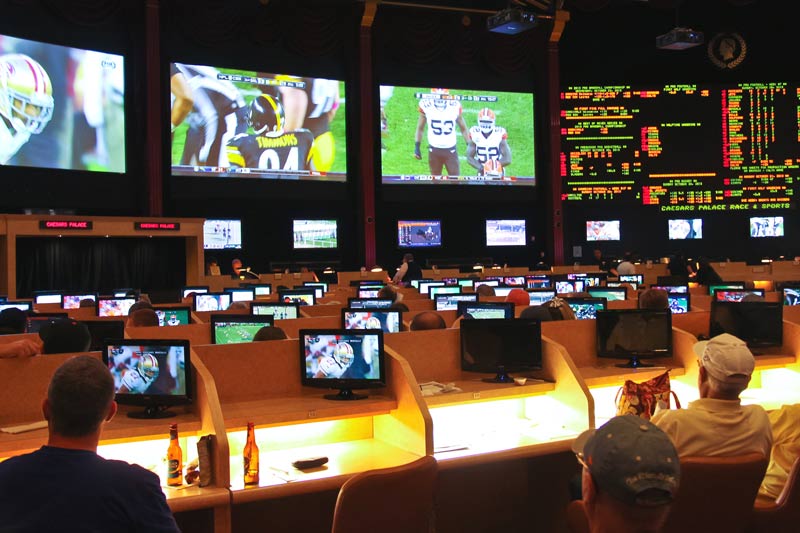
The next stage of sportsbook growth will bring fresh exposure patterns. Operators who prepare early will handle that pressure better.
eSports
Betting on video games cannot be treated as a simple extension of traditional sport. Match data, team structures, integrity signals, tournament formats, and audience behaviour can differ sharply. The opportunity is real, but so is the risk.
Operators need separate monitoring rules, market logic, and player profiling for this vertical. A football-based model will not always translate cleanly.
AI and Predictive Analytics
Artificial intelligence has value when it identifies patterns early and helps the platform act. It is less useful when it only fills dashboards with warnings.
Machine learning can help risk teams detect unusual activity across large player groups and flag exposure patterns faster than manual review. However, the system may not change a decision, adjust a limit, pause a market, or escalate a case. If it does none of those, the commercial value is limited.
Emerging Markets
Latin America, Africa, and parts of Asia continue to attract sportsbook investment. These regions can grow quickly, but regulation, payment behaviour, player habits, and fraud patterns may still be real.
A weak risk setup may survive the first quiet month and fail during the initial major tournament. Operators who enter these markets need stress-ready infrastructure from the start. Early growth is valuable only when the platform can hold the margin it creates.
The Main Things about Sportsbook Risk Management
All betting platforms want their growth to be turned into profit. While high turnover is attractive, it has limited value when exposure, bonuses, fraud, and operational delays consume the margin.
Key aspects to remember:
- Sportsbook profitability depends on controlled exposure as well as strong traffic and high turnover.
- Operators need to separate pricing, trading, and risk management before they can see where margin pressure begins.
- Major tournaments reveal weak limits, slow workflows, bonus problems, and manual bottlenecks faster than ordinary betting periods.
- Strong platforms combine automation, player profiling, compliance checks, and human expertise inside one connected risk framework.
- Vendor evaluation should begin with risk discipline because acquisition growth has little value when the margin cannot survive pressure.
A sportsbook can acquire players, expand coverage, and increase turnover while its real profit moves in the wrong direction. That usually happens when risk control arrives too late in the business conversation.

Check the information used to contact us carefully. It is necessary for your safety.
Fraudsters can use contacts that look like ours to scam customers. Therefore, we ask you to enter only the addresses that are indicated on our official website.
Be careful! Our team is not responsible for the activities of persons using similar contact details.