Casino Configurator
iGaming Licensing Changes in 2026: What Operators Need to Know
A country without a gambling framework can admit private businesses with the proper licensing based on the industry realities and in-house nuances. At the same time, new entrants may face a selection process that is complex or unfamiliar.
The reforms of 2026 show how differently this transition can work. Finland is accepting applications ahead of a July 2027 launch. New Zealand has a staged process that also extends into next year. Austria is considering a competitive framework through draft legislation. Albania has established a tender procedure for online sports wagering.
For new market entrants, the primary requirement is to understand whether the audience can become a viable opportunity with existing financial capabilities. Gaminator experts discuss the key nuances of these future iGaming licences and indicate who they will be suitable for.
Two Routes into a Regulated Market
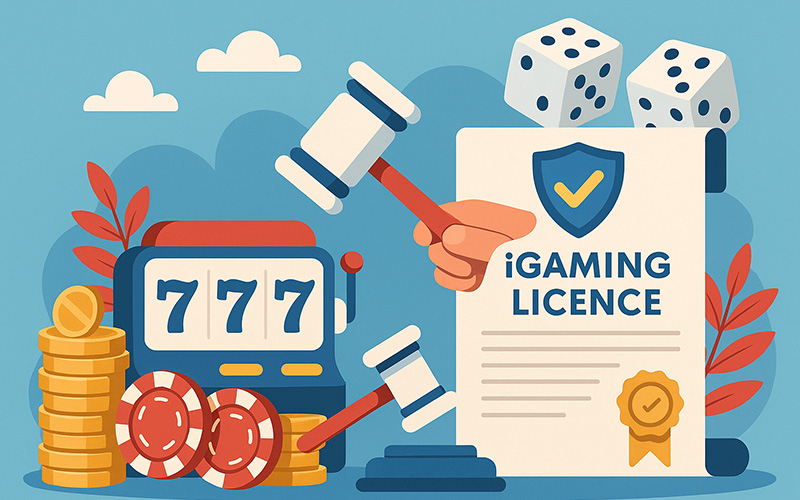
Governments can admit private companies through different selection methods. The chosen approach determines whether qualifying applicants can receive approval or must compete for a scarce place.
The countries mentioned fall into two broad groups:
Open Application Process
Finland allows eligible operators to seek authorisation through an ongoing process. Austria’s draft also provides for an unrestricted number of online concessions. This arrangement removes the need to outbid rivals for a limited place. Financial eligibility remains essential, while ongoing charges may substantially affect profitability. A business should assess what it can afford after approval.
Competition for Limited Licences
New Zealand will use an auction to select prospective licensees. Albania ranks qualifying candidates through a scored tender. Under these arrangements, the initial requirements give a company access to the selection process. The outcome then depends on its performance against other participants.
Product coverage also varies between jurisdictions. Permission for a sportsbook cannot automatically support the addition of casino games, so the intended catalogue needs to be checked at the start.
Finland: What an Early Application Requires

The state monopoly is set to give way to private participation in online betting and casino entertainment. By 8 June 2026, the National Police Board had received 50 submissions, mainly from overseas companies.
The preparation falls into three areas:
Application Process and Timeline
Submissions opened on 1 March 2026, with licensed services scheduled to begin on 1 July 2027. The processing fee is €29,000, and the regulator’s June update set a target review period of around six months. Successful applicants can receive permission for up to five years. Payment remains due even if the decision is negative.
An early submission allows the business more time to resolve outstanding issues. Additional requests may affect the schedule, particularly when the supporting documentation is incomplete.
For an established brand, the gap before launch also creates time to adapt its existing offer. A newcomer needs to use that period to prepare a service that meets domestic requirements. An authorisation obtained elsewhere in the EU does not provide automatic approval here. The Finnish regulator carries out its own assessment under national legislation.
Technical and Regulatory Connections
Customer protection must work across the authorised sector. A central self-exclusion register will help prevent access by people who have chosen to stop gambling. Technical readiness includes the website and the account system that must enforce these restrictions consistently throughout the user journey.
Software suppliers can begin applying in July 2027. A year later, on the first day of that month, operators must use only solutions provided by approved vendors. That deadline deserves attention during platform selection. A chosen partner’s plans can affect whether the original catalogue remains available after the first year.
Legal clearance and operational preparation should progress together. Leaving integration questions until the final stage can delay an otherwise well-prepared launch.
Marketing and Customer Communication
Promotional messages require explicit consent from the recipient. Telephone advertising is prohibited, while additional exclusions cover people with a general gambling ban and accounts inactive for two years. This makes accurate audience selection essential for retention campaigns. A large contact database has limited value if the business cannot lawfully reach those individuals.
Welcome bonuses fall outside the permitted framework. Limited rewards for established users remain possible. Wagering requirements are capped at five times the credited amount. Acquisition plans must account for these boundaries from the beginning. Existing brand awareness may help attract attention, but the commercial forecast needs to reflect the incentives actually available.
Austria’s Proposed Opening and Financial Demands
The federal online monopoly is set to give way to a system with several authorised providers. A draft submitted to the European Commission on 4 August 2026 has a standstill period that ends on 5 November. Adoption remains a separate step. Preliminary figures put digital gambling revenue at €551 million in 2025, up 11.2% from the previous year. This provides evidence of established demand before any wider opening.
Three aspects deserve particular attention:
Financial Requirements for Entry
Applicants would need at least €10 million in capital. Filing would cost €70,000, followed by €300,000 for the first concession. The existing fiscal framework imposes a 45% charge on online gross gaming revenue. A forecast must account for the remaining costs before a sustainable return.
The proposed opening would give qualified businesses a route into the country. Commercial success would still depend on whether enough income remains after mandatory payments. Renewal would carry a further €600,000 fee under the draft. This later expense belongs in the long-term forecast, alongside the funding needed to maintain everyday operations.
Potential Gap for Existing Businesses
Overseas applicants would have to settle relevant tax arrears and comply with final Austrian civil judgments. Unauthorised services would need to stop from 1 January 2027. The proposed start date for new concessions is 1 October that year. Taken together, these provisions imply a nine-month interruption for affected firms who want immediate launch upon entry.
Customer continuity becomes a central commercial concern during that gap. Previous brand recognition cannot guarantee that the same audience will return once access resumes. A realistic expansion plan should account for the cost of pausing activity. Management also needs to consider how much of the earlier business can be recovered lawfully.
Operational Requirements under the Draft
Shared registers would support deposit controls and self-exclusion. These arrangements require coordination beyond an individual website. The proposed standard ceiling is €250 per week for people below 26. Older customers would have a monthly allowance of €1,680, with individual adjustments possible from age 23 after a risk assessment.
Because the system covers several operators, opening another account would not automatically create extra deposit capacity. Forecasts should reflect the shared restriction during the estimation of potential customer spending.
The draft also sets a €5 maximum stake for virtual slots. A €10,000 prize ceiling would apply to each round, with a 15-minute break after 90 minutes of continuous play. Such provisions affect the suitability of existing software. Product teams should assess the required changes while the legislation develops.
Enforcement proposals include restrictions on unauthorised websites and payment flows. Domestic permission would consequently become more important to the support of reliable access.
New Zealand: Competing for Fifteen Licences

A substantial overseas gambling audience exists before domestic authorisation begins. Estimated deposits in New Zealand reached €680 million in the year ending September 2025, with around 360,000 customers. The calculation scales one bank’s card transactions to a national estimate. It measures money transferred to offshore sites across several gambling categories, so it cannot be treated as casino GGR.
The new regime provides for up to 15 licences, each attached to a single brand. A related corporate group can hold a maximum of three. Initial authorisations can last up to three years, with a possible five-year renewal. The phased implementation is expected to be fully operational during 2027.
The selection process follows three stages:
- Initial eligibility assessment. The expression-of-interest stage required access to at least €3.8 million in capital. Acceptance allowed a candidate to proceed to competitive bidding.
- Auction participation. The price rises in steps. Bidders can remain active until the amount exceeds their chosen ceiling. The procedure ends when demand matches the available places.
- Full suitability review. Successful participants gain the right to submit a detailed request for authorisation. Permission to operate depends on the completion of the final assessment.
The auction is scheduled for 29 September 2026. Full applications are due to open in October, ahead of operating restrictions from 1 December. Existing providers with submissions under consideration may continue serving customers as they await a decision, without advertising. Others must leave when the prohibition takes effect.
For an established business, the result affects an audience it already serves. Operators should weigh the value of continued access against the full financial commitment required. Once authorised, acquisition methods will also face clear limits. Affiliate payments tied to registrations or deposits are prohibited.
A fixed charge solely for displaying a link sits outside that definition. The distinction matters when a company selects external promotional partners. Sponsorship and personal endorsements of online casinos are prohibited. Direct messages depend on valid consent, which requires proper records and usable account preferences.
Advertising is also barred during live event broadcasts. The blackout extends for 30 minutes before coverage begins and the same interval after it ends. These boundaries affect the timing of campaigns as well as their content. The available media schedule affects how efficiently a brand reaches its intended audience.
The commercial plan must reflect those conditions before bidding begins. A familiar traffic strategy from another jurisdiction may need substantial changes to work within the permitted formats.
Albania’s Entry Conditions for Online Sportsbooks
Remote wagering returned to the legal framework through amendments adopted in 2024. The subsequent selection procedure took shape under Decision No. 194 of March 2026, with a nationwide ceiling of ten authorisations. This route concerns sports betting, so casino projects fall outside its scope. Prospective participants also face substantial eligibility conditions before their proposals can compete.
The principal requirements:
- minimum licence commitment of €4.4 million;
- local company capital of at least €440,000;
- previous annual gambling turnover of €22 million;
- three years of experience across at least three EU or OECD countries;
- financial guarantees for payouts and public obligations.
Participation requires an Albanian joint-stock company, while qualifying consortium structures are also permitted. The relevant international experience may come through an eligible shareholder. These conditions favour groups with a proven operating history. A new venture may have enough funding for development but lack the track record required to enter the competition.
The minimum licence price covers a ten-year term and is payable through instalments. This distinction affects the funding schedule, even though the overall commitment remains substantial. Candidates are assessed out of 100 points. The financial offer and industry experience each account for up to 30. Organisational capacity contributes another 20. Technical capability carries 15, with five reserved for the business plan.
Increasing the proposed payment can improve one part of the assessment. Strong documentation remains essential across the other categories, so price alone cannot determine the outcome. The scoring system also makes technology a factor before launch. A suitable platform contributes to the quality of the proposal, while management must demonstrate the ability to run the resulting business.
The tender schedule gives applicants 45 calendar days from the date specified in the notice. Preparing the evidence early helps avoid a rushed submission once the competition begins. After authorisation, a contribution of 15% of GGR goes to a designated public fund. Corporate income tax applies separately at 15%, alongside local obligations. These percentages use different calculation bases. There is no reason to combine them into a single rate since it would give a misleading picture of the financial burden.
Deposits and withdrawals must pass through approved domestic institutions. Cash transactions are prohibited for this format.
For a company already active abroad, the existing cashier needs a local review. Customer registration should also be checked against domestic identification rules. Advertising can appear in electronic publications and on authorised operator websites. Messages must carry an addiction warning and avoid targeting minors. Placement during news bulletins or political information programmes is prohibited.
These conditions affect both campaign content and the choice of media partners. The acquisition budget should reflect the inventory that a licensed business can actually use.
Steps to Take before Committing a Budget
Expansion is easier to assess when the legal route matches the proposed service. A country may have strong demand but require changes beyond available resources.
Critical steps before a financial commitment:
- Check product eligibility. Establish which activities the domestic framework covers before the catalogue selection. The difference between a sportsbook permit and casino authorisation can determine whether the original concept is suitable.
- Map the full timetable. Allow time for regulatory assessment and technical preparation. Existing businesses should also account for any mandatory pause before they resume service under local permission.
- Calculate continuing obligations. Separate access costs from recurring charges. Revenue forecasts need to reflect the applicable calculation bases, with enough room for normal operating expenses.
- Assess operational readiness. Confirm that prospective technology partners can support the required controls. Acquisition plans should use only the promotional methods available within the chosen jurisdiction.
These checks give management a clearer basis to choose where to expand. They also help identify commitments that depend on an unfinished reform. A pending bill leaves some decisions open until adoption. Commercial planning should retain flexibility wherever the final conditions remain unsettled.
The Main Things about iGaming Licensing Changes in 2026
The next wave of reform will influence who can serve established audiences. Commercial results will depend on the conditions attached to that access.
The main points to keep in mind:
- Developments during 2026 include preparation for later openings, so an application date must be distinguished from permission to begin trading.
- Uncapped frameworks allow eligible businesses to seek approval with no competition for a fixed number of places, while auctions and tenders create an additional selection hurdle.
- Financial planning must account for entry commitments and recurring charges, with each amount assessed against its correct calculation base.
- Existing customer relationships retain commercial value only when the business can continue serving those people within the applicable transition rules.
- Suitable technology supports the required controls, while a compliant promotional strategy reflects the channels available in the chosen destination.
Careful preparation turns a legislative opportunity into a workable launch plan. The strongest starting point is a clear match between local obligations and the resources available to meet them.

Check the information used to contact us carefully. It is necessary for your safety.
Fraudsters can use contacts that look like ours to scam customers. Therefore, we ask you to enter only the addresses that are indicated on our official website.
Be careful! Our team is not responsible for the activities of persons using similar contact details.