Casino Configurator
Online Betting in Albania: Potential Entrant Guidance
Seven years of prohibition have left a sizable unregulated sports wagering market. Today, Albania is preparing to bring part of that activity under state supervision through a limited licensing system. Established international groups may be better positioned because entry depends on substantial resources and proven experience.
For investors, the opportunity comes with several unknowns, including demand, revenue, and spending. These factors will shape the commercial potential of the reopening, while the official rules already provide a clear basis for preparation.
The Gaminator team explores the conditions that applicants must meet and the responsibilities that follow approval. Contact our experts to discuss platform development services for your next iGaming project.
Why Demand Persisted Despite the Ban
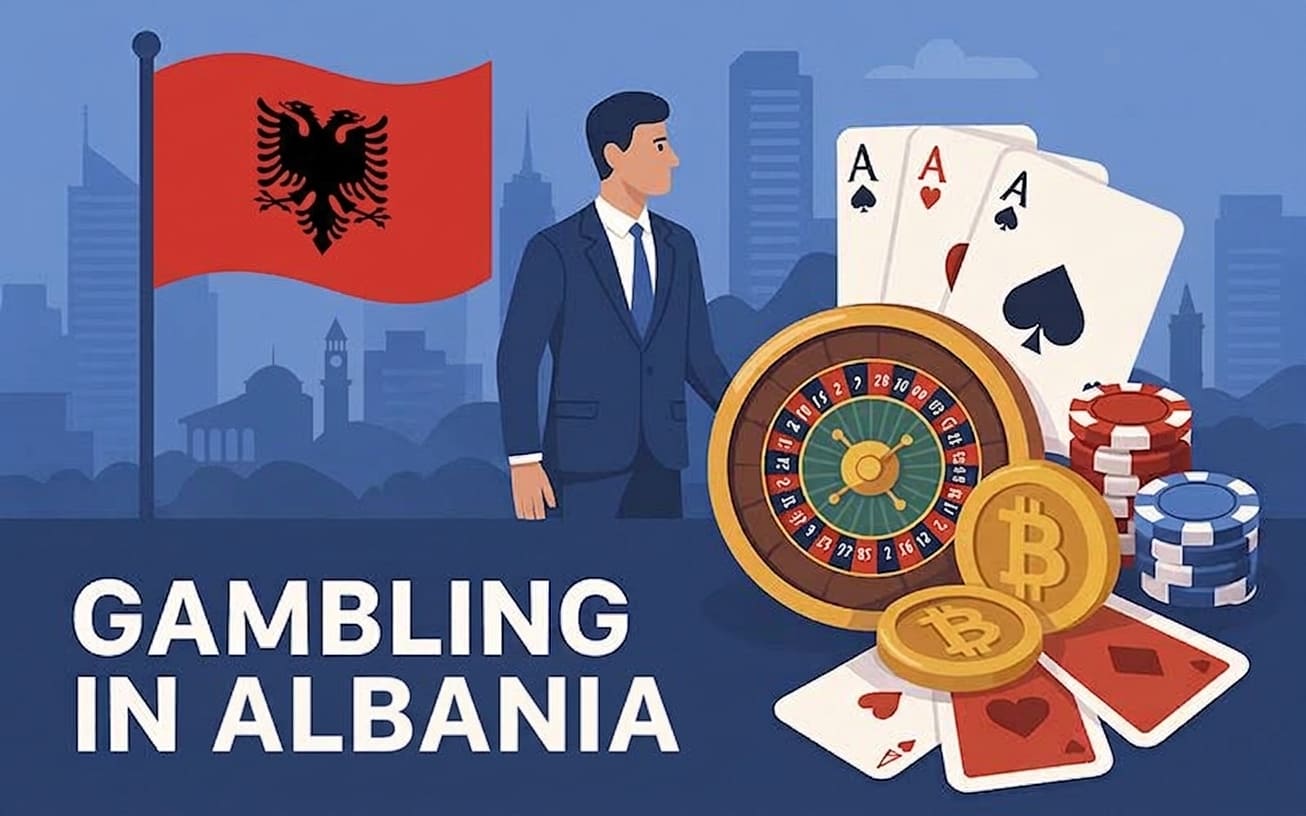
Before the restrictions took effect, neighbourhood outlets were a familiar part of everyday life. Around 4,000 betting shops served a population of just over 2.8 million, while annual wagering turnover reached approximately $810 million in 2018.
Such widespread availability created concerns about addiction and pressure on household budgets. Locations near schools attracted particular attention. Questions about sporting integrity also contributed to the political response. Parliament approved the prohibition in October 2018, with closures following in 2019.
Customers continued placing wagers through unregulated digital channels. Estimated sports betting GGR reached $117 million in 2024 and rose to $126 million in 2025. These estimates indicate that betting activity continued despite the restrictions. However, the available data cannot establish how many people will choose locally approved websites. The commercial challenge is shifting existing activity to supervised services with enforceable consumer safeguards.
How the Market Is Reopening
The legal changes adopted in 2024 created a route for selected companies to resume operations. By July 2026, all eight implementing regulations had been completed, although the first application round still lacked a confirmed launch date in mid-August.
The permitted scope and continuing restrictions:
- online sports wagering;
- a nationwide ceiling of 10 licences;
- continued closure of retail betting shops;
- ongoing prohibition of standalone slot halls;
- separate authorisation for qualifying hotel casinos.
This framework provides a narrow route back into the sector. An approved sportsbook does not gain permission to offer internet slots or poker. Physical gambling premises remain subject to their own categories and location requirements.
The Licensing Commission decides how many permits to offer in each competition. Consequently, the initial round could admit fewer businesses than the national ceiling allows. Every successful applicant must also satisfy the selection requirements before it can accept wagers.
For prospective entrants, this structure makes eligibility the first question. A commercial plan needs to fit the available category from the outset.
Entry Conditions
Prospective operators need an established business background and sufficient financial resources. The legal threshold extends well beyond the cost of a functioning website, which has clear implications for smaller investors.
The main qualifications:
- registration as an Albanian joint-stock company;
- at least three years of gambling experience across three EU or OECD countries;
- previous financial year turnover of at least $23 million;
- share capital of at least approximately $460,000.
The applicant or a qualifying shareholder can provide the required industry experience. Where this condition relies on an owner, that participant must hold a stake of 30% or more. The previous annual turnover threshold may also be met through a shareholder.
This arrangement allows an established international group to support a newly formed local entity. However, foreign ownership itself is not an eligibility requirement.
The financial measures also serve different purposes. Annual turnover demonstrates the scale of past trading, while share capital represents funding committed by owners. Its minimum level must be maintained throughout the authorisation period.
These conditions suggest that experienced groups may be better positioned. A new independent venture would need to examine its ownership structure before committing substantial resources to an application.
How Applications Are Ranked
Meeting the minimum threshold allows a candidate to enter the competition. The final result depends on a weighted assessment with a maximum total of 100 points, so a competitive bid requires strength across several areas.
The evaluation covers five criteria:
- The financial offer carries up to 30 points. The highest proposed amount receives the maximum score for this category, while lower bids are assessed proportionally.
- Industry experience accounts for up to 30 points. Supporting documents must establish the relevant operating history of the applicant or qualifying shareholder.
- Organisational capacity contributes up to 20 points. The review considers management arrangements and the effectiveness of internal controls.
- Technology can add up to 15 points. Assessment covers the reliability of the proposed software and its ability to support regulatory oversight.
- The business plan provides up to 5 points. Projections must cover at least three years and explain how the proposed operation will develop.
The combined result determines each candidate’s position. A large financial commitment needs credible operational support.
Once the Commission decides to launch a competition, AMLF must publish the call within seven days. Distribution includes the authority’s website and the Public Notices Bulletin. Two international newspapers must also carry the announcement.
That timetable makes advance preparation useful, although it does not establish a calendar date for the first round.
Required Payments

A workable budget needs to cover the initial application and the costs of continued participation. The headline licence price is one part of the overall commitment, while ongoing obligations affect future cash flow.
The main charges fall into a few areas:
Application and Licence Fees
Submitting a bid requires a non-refundable $6,000 payment. An unsuccessful candidate cannot recover this amount through the licensing procedure. Successful companies commit to at least $5 million for a 10-year authorisation. The final price depends on the winning offer and is payable in instalments across the term.
This arrangement spreads the expense over time. However, the financial model must reflect the actual bid because competitive scoring may encourage offers above the minimum.
Contribution from Gaming Revenue
Each approved sportsbook must allocate 15% of GGR to a special public fund. Supported areas include culture and sport. Technology projects and innovation initiatives are also eligible purposes.
Annual government receipts from the new regime could reach approximately ALL2 billion, or $23 million. This forecast depends on future commercial activity and should remain separate from confirmed collections.
Further Financial Obligations
Taxable company profits are subject to the standard 15% rate, and local charges add further costs. The percentage applies to a different base from the GGR contribution, so combining both figures into a single 30% levy would be misleading.
The law also establishes a separate payment to AMLF of 3% of gross gaming revenue, subject to a minimum of $19,000 annually. Financial planning should account for this supervisory charge alongside the other obligations.
Ongoing Controls and Player Protection
Approval starts an ongoing relationship with the regulator. Each licensed business must maintain traceable activity and enforce the required safeguards throughout its operation. Compliance needs to be built into routine workflows from the outset.
The main responsibilities cover the key areas:
Registration and Payments
Customers must establish their identity online with a national identification card. Cash wagering is prohibited, while deposits and withdrawals are handled through authorised financial intermediaries. These include Albanian banks and licensed electronic money institutions. Other approved payment providers can also process transfers within their permitted activities.
This arrangement creates a clearer trail between the account holder and the movement of funds. The operator must monitor transactions, which requires suitable systems from the start. A convenient deposit process must therefore operate within the prescribed financial controls.
Records and Exclusion Measures
Businesses must retain customer information for at least three years. A national digital register also identifies people barred from participation, and approved websites must enforce those restrictions. The requirement is imposed to prevent access when an individual becomes ineligible. Account controls need to remain effective after the initial identity check.
Clear guidance must explain gambling risks and the chances of winning. Available support options should also be easy to find. These obligations give consumer information a defined role within the service, alongside the technical measures used to enforce restrictions.
Suspension and Revocation
Unresolved compliance failures can put future business income at risk. After two qualifying breaches within three years, an operator can face suspension that can last between 30 days and two years. During that period, affected companies must stop accepting wagers. A third infringement can lead to licence withdrawal.
These consequences make effective compliance oversight a business priority. A suspension prevents the operator from accepting new wagers during the restricted period, while the business must address the issues behind the enforcement action.
Market Potential and Remaining Uncertainty

Existing unregulated activity indicates continued demand. Across all internet gambling categories, estimated GGR reached $229 million in 2025.
That total includes income from online casino games and poker. Only sports wagering falls within this reopening, which limits the relevance of the broader figure for a prospective sportsbook. The size of the addressable customer base requires a separate assessment.
Channelisation describes the shift in participation toward locally licensed services. Its eventual level remains uncertain because existing spending does not automatically become revenue for approved businesses. Current users may change their habits at different speeds, making early commercial forecasts difficult to validate.
The country’s relatively low incomes also matter when estimating sustainable customer spending. A smaller population adds another constraint to the long-term outlook. Historical wagering volumes offer context, but they cannot establish the likely performance of a future digital service.
Larger groups may still consider expansion attractive because they can adapt existing infrastructure. Shared technology and experienced teams could reduce the additional work required for a local launch. The actual savings will depend on how much modification is needed to meet domestic obligations.
The schedule presents another unresolved question. As of mid-August 2026, the first competition’s opening date and the number of initial awards were still unconfirmed.
Preparation can continue through an assessment of eligibility and a realistic cost model. Revenue assumptions will need revision once the launch timetable becomes clear and actual participation can be measured.
The Main Things about Online Betting in Albania
The established framework creates a selective opportunity for international groups. Commercial viability will depend on sufficient customer demand and the ability to meet ongoing obligations.
The key points to keep in mind:
- Retail shops remain prohibited, while internet casino products fall outside this route to approval.
- A qualifying shareholder can help a locally registered company satisfy the relevant background requirements.
- Financial offers and industry history carry the greatest weight, with a total maximum score of 100 points.
- The GGR contribution is separate from corporation tax, while repeated breaches can interrupt trading or end authorisation.
- The share that will move towards approved services remains uncertain, which makes cautious forecasts essential.
A well-prepared proposal should connect the required investment with a realistic operating model. Future performance will also depend on how effectively the approved service attracts eligible customers.

Check the information used to contact us carefully. It is necessary for your safety.
Fraudsters can use contacts that look like ours to scam customers. Therefore, we ask you to enter only the addresses that are indicated on our official website.
Be careful! Our team is not responsible for the activities of persons using similar contact details.