Casino Configurator
New Zealand’s Authorities Prepare to Launch the iGaming Licensing Process
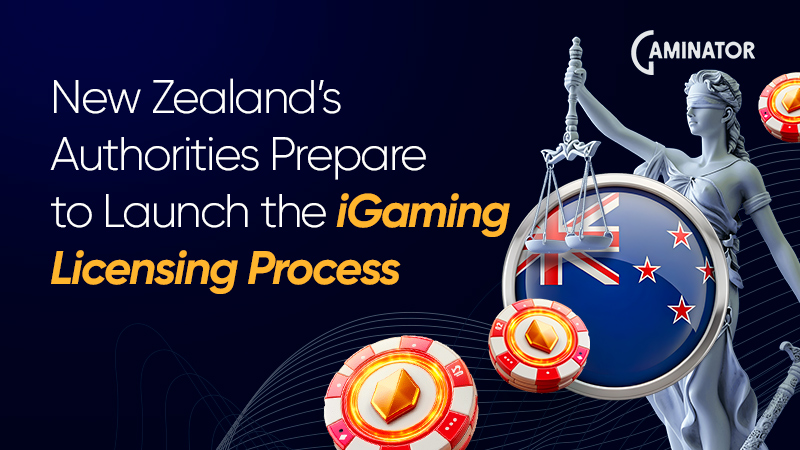
The framework introduces a 3-stage certification programme and sets a strict cap of 15 licensed operators, marking a decisive step towards building a transparent and controlled entertainment industry in the country.
iGaming Supervision: Key Info About the Law
The Online Casino Gambling Billl passed its 1st reading in Parliament more than 6 months ago. Final approval is anticipated in May following a 2nd session. The legislation establishes a comprehensive economic framework and places the iGaming vertical firmly under government oversight.
The push for reform stems from the fact that a significant portion of the gambling sphere currently operates via offshore platforms. Authorities estimate that more than NZ$750 million annually flows out of New Zealand’s market to foreign entertainment portals — a leakage the bill aims to curb by redirecting activity into the regulated domestic sector.
Phases of the New Licensing Framework
The legalisation process will unfold across 3 key milestones:
- Expression of Interest (EOI). Once the project is enacted, candidates will be able to formally declare their intent to enter New Zealand’s iGaming market. This stage is expected to last around 1–2 months.
- Licence tender. Following the EOI phase, a competitive selection will take place in several weeks. Operators will bid for a limited number of certificates, with the tender running for up to 2 months.
- Application submission. Winning companies must then provide detailed documentation for verification. The commission will evaluate adherence to requirements concerning customer protection, financial stability, and business integrity. This step is projected to be the longest, lasting 4–6 months.
Permits will remain valid for up to 3 years, with renewal options available, provided operators continue to meet all supervisory conditions.
Severe Time-Limits and Fines
The DIA has set December 1st, 2026, as the final deadline for licence applications. Any operator failing to submit documentation by that date will be required to halt online casino activities in New Zealand. Breaches of this rule will carry penalties of up to NZ$5 million and enforced closure.
The strict 15-permit cap is expected to fuel intense competition among applicants. However, regulators argue that this model guarantees transparency and compliance. Licensed brands will also face fiscal obligations, including a 12% gaming tax, ensuring that the sector contributes directly to the national economy while operating under clear oversight.
Sponsorship of Public Projects
Initially, the bill faced criticism from sports organisations, who warned it could lead to decreased investments in social initiatives. They projected sponsorship losses of more than NZ$150 million.
In response, the government pledged to establish a community-funding mechanism. Under the new rules, authorised portals will be required to allocate 4% of their gross revenues to public projects. This measure is expected to generate between NZ$10 million and NZ$20 million in contributions to social programmes during the 1st year of implementation.

Check the information used to contact us carefully. It is necessary for your safety.
Fraudsters can use contacts that look like ours to scam customers. Therefore, we ask you to enter only the addresses that are indicated on our official website.
Be careful! Our team is not responsible for the activities of persons using similar contact details.