Casino Configurator
Why Gambling Resonates within Many Asian Communities
Across much of the continent, strict rules and social pressure often sit right next to a deep familiarity with games of chance. That contrast can look confusing from the outside, yet it keeps showing up in real life and in popular stories.
This is also why many major casinos worldwide build Asian-themed pits, table areas, and decor, even when they are far from the region itself. Player preferences, cultural references, and long-running habits shape what operators offer and how they present it.
Asians and Gambling: The Cultural Background
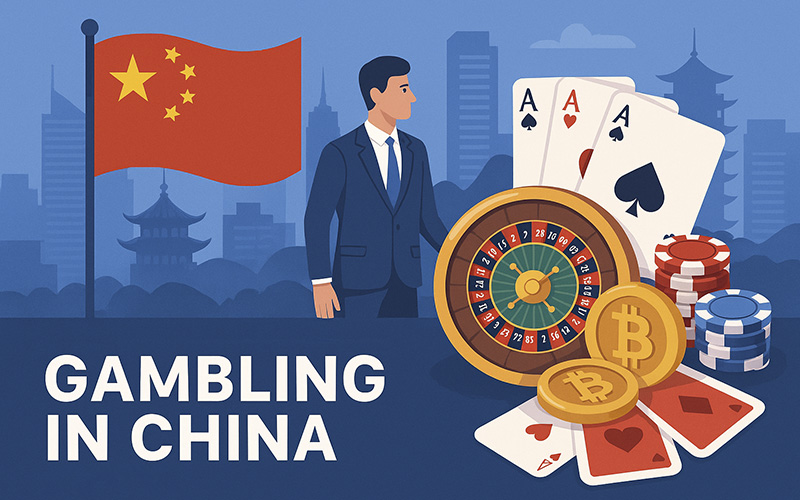
Heavy restrictions in countries like China, Singapore, South Korea, and Japan do not erase the presence of chance-based play from daily culture. Instead, the topic often resurfaces through films, books, manga, anime, folk stories, and video games.
Authorities in different countries treat wagering as a public concern, and the official tone can be harsh. Even so, many people keep a soft spot for it, whether they play directly or simply recognise the themes in entertainment. The result is a steady demand that the global casino industry has learned to notice.
Across the region, luck-driven play carries meanings that go far beyond a casino floor. Local history, social values, and shared ideas about fate can all influence how people view risk and reward.
Japan’s Post-War Period
After World War II, the country faced widespread hardship and limited prospects. In that environment, some people who could develop a game found a way to earn money fast. The phrase “skilled gambler” also carried a different shade of meaning in that cultural context, implying respect for those who could beat the system, even through cheating.
That framing has not aged well. Modern Japan moved on. Gambling remains broadly prohibited, yet pachinko parlours still thrive, and penalties can be serious even for players who place their bets at overseas online casinos.
Chance as an Opportunity
Many Asian cultures do not treat luck as something shameful by default. Instead, uncertainty can feel like a door that might open, not a trap that must be avoided. Debt from losses is still scorned, yet a major win often gets applause, praise, and attention.
This is not a complete explanation, and it cannot cover every community. Still, worldview matters, and it shapes how a person approaches risk, control, and hope.
Status and Appearance
In more material-focused settings, success can carry real weight. South Korea often serves as an example of a society in which appearance and social signals matter, so a person who can afford to play, win, and look comfortable may gain communal respect. That dynamic does not mean everyone thinks the same way, but it helps explain why money and image can be closely linked to gaming culture.
Even with all that, many people simply find it entertaining. Slots often take a back seat to baccarat, blackjack, and roulette.
A Sense of Normality in Playing
For many families, game nights never felt like a vice. Older generations often viewed mahjong and similar card games as innocent social time, tied to community and routine rather than danger.
That attitude also appears among immigrant groups. Familiar titles can become a shared language when everything else feels new. These games do not always arrive with glamour and often show up as something normal, like chess or backgammon in a park.
This everyday framing can come from several practical sources:
- family traditions;
- community bonding;
- familiar rules;
- easy entry for newcomers;
- a sense of comfort abroad.
At the same time, normalisation has a downside. When an activity feels harmless, risk can fade into the background, and harm can grow quietly.
Pop Culture and Familiarity
Stories have a quiet way of teaching what is acceptable. Manga and anime, in particular, often present wagering as a challenge, a test of nerve, or a moment where fate can flip. The tone is not always judgmental, which can make the topic feel less taboo and more like an opportunity to seize.
That does not mean the media causes harm on its own. Still, repeated exposure can dull caution, especially when chance-based play appears as “just another thing people do.” Similar patterns exist elsewhere, too, such as pokies in Australia, and growing concern around teenagers in the UK, the United States, Japan, and South Korea who now face problem gambling more often.
In other words, cultural familiarity can make the pastime easier to approach, yet it can also make the warning signs easier to miss.
Most Preferred Content
Ask many high-stakes rooms what draws visitors from East Asia, and the answers tend to focus on pure-chance table titles. Sic Bo, Pai Gow Poker, Dragon Tiger, and Fan Tan all have loyal audiences, yet one option stands above the rest.
Usual favourites that keep Asians entertained:
- Baccarat;
- Sic Bo;
- Pai Gow Poker;
- Dragon Tiger;
- Fan Tan.
This preference is so strong that even Western venues often create Asian-themed pits and decor. What began as a regional taste has become a global influence that shapes how operators design space and choose their most profitable tables.
Are Asians More Likely to Be Gambling Addicts?
When ethnicity enters the discussion, it becomes hard to make a fair claim that any group is naturally more prone to addiction.
Asian children face a higher risk of gambling addiction. The research in a related direction notes that Chinese immigrants in the United States may develop problem behaviour more often than they would have if they stayed in their home environment.
This is where the conversation usually shifts toward minority experience more broadly. Work in the United States and the United Kingdom suggests that minorities, in general, can face higher vulnerability. The reasons are not mysterious but complex, and they tend to lie outside the casino itself.
When higher risk appears in minority settings, it often links to pressure:
- social isolation;
- weak support networks;
- stigma and stereotypes;
- limited community ties;
- escapism under stress.
Inside Asia, clear numbers are harder to pin down. Strict regulations make tracking inconsistent, so much of what we know comes in fragments from local non-profits rather than unified national reporting.
Asian Gambling Cultural Heritage
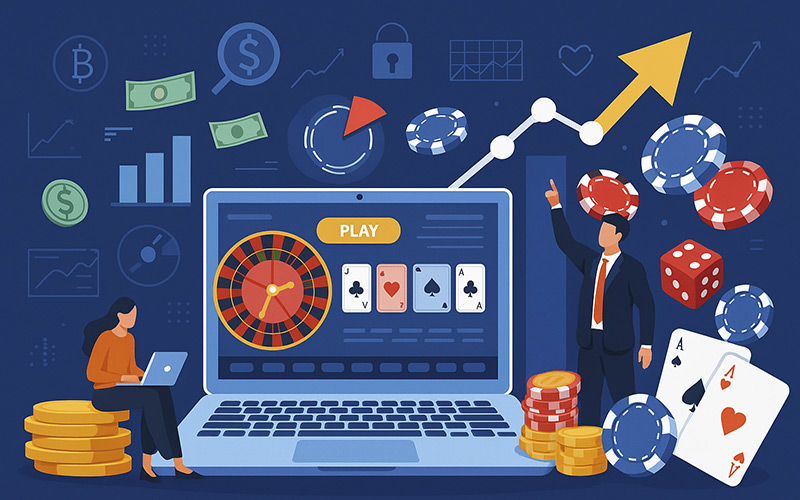
The topic sits in an uncomfortable middle ground for many communities. It can be a pillar of tradition, a tool for social connection, or a symbol of fate and daring, without automatically being seen as evil.
Different contexts create unique meanings. Some places lean toward material reward and public status. Other settings carry historical hardship, where risk once felt like a practical option. For immigrants, the same activity can become an escape that offers relief, but also real consequences.
The fascination is not always about money. It often centres on chance itself and the human desire to test it, outsmart it, or at least take a shot at a big moment. The reality remains that pure-chance games leave little room for control, yet the thrill of trying still pulls people in.
The Main Things about Asian Gambling
Behind the bright lights, this pastime often carries history, identity, and social meaning. Rules may be strict, yet cultural familiarity can keep the appeal alive across generations and borders.
Key aspects about Asian gambling:
- Cultural storytelling and shared traditions keep games of chance visible, even where laws discourage play.
- Japan’s post-war context helps explain older attitudes, although modern norms reject cheating and punish illegal betting.
- Many players prefer table games, with baccarat standing as the most dominant favourite in Asian markets.
- Problem gambling is not an ethnicity issue by default, yet minority stress and isolation can raise vulnerability.
- Global casinos adapt layouts and themes because these preferences influence revenue and player comfort.

Check the information used to contact us carefully. It is necessary for your safety.
Fraudsters can use contacts that look like ours to scam customers. Therefore, we ask you to enter only the addresses that are indicated on our official website.
Be careful! Our team is not responsible for the activities of persons using similar contact details.