Casino Configurator
Austria’s Gambling Reform: New Online Licences, Stricter Controls, and the Road to 2027
Regulatory change often begins long before a new licence becomes available. Governments first close gaps that have grown around old laws. Companies then receive time to rebuild their products for a different legal environment. Austria has now reached this stage.
The country has relied on a tightly controlled model for years. Österreichische Lotterien currently holds the federal concession that covers electronic lotteries through win2day. Casinos Austria also operates twelve physical venues under the existing structure. Meanwhile, international brands have remained accessible to local customers without Austrian authorisation.
A new draft could reshape this arrangement from October 2027. It would admit multiple digital providers while adding much stronger controls across the sector. The proposal also creates tougher conditions for businesses with unresolved tax liabilities or player claims. This combination turns liberalisation into a demanding compliance project.
Reasons for Austrian Rebuild
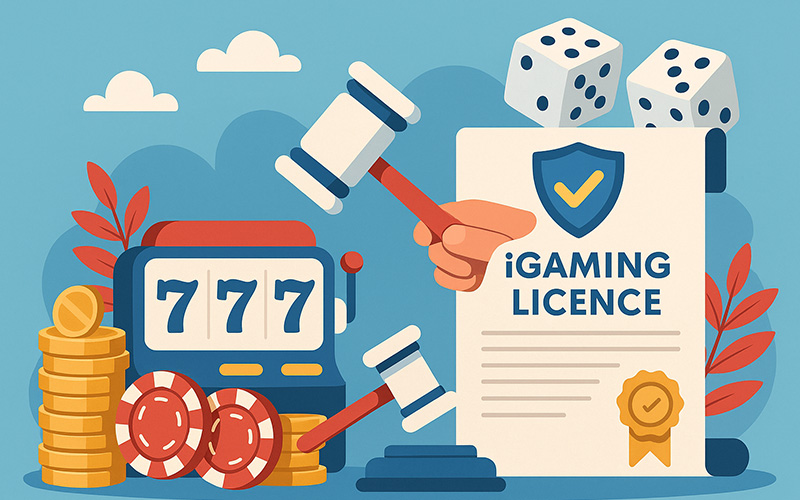
For many years, local remote play has fallen under the category of electronic lotteries. The right to provide these services sits within a single federal concession. This approach gives the state a clear control point, yet it has failed to remove cross-border competition from everyday use.
The proposed law separates remote play from the existing lottery permission. Its purpose is to draw customers towards locally supervised websites and give authorities stronger tools against unlicensed brands. Consumer safety is another major part of the plan.
The policy has 4 central goals:
- legal market channelisation;
- higher player safeguards;
- stronger action against illegal providers;
- continued EU law coherence.
Austria also needs its restrictions to remain proportionate under European single-market principles. A controlled opening may support that position because access would be available to domestic and foreign companies under the same requirements. The final result will depend on how these provisions work after implementation.
The Formal Review and Road to October 2027
Brussels received the proposal on 4 August 2026 under notification 2026/0415/AT. The compulsory standstill period is due to end on 5 November 2026. Parliamentary work can continue during this interval, although adoption must wait until the pause has finished.
The planned schedule has several important stages:
- European notification in August 2026. The Commission can examine compatibility with single-market principles and possible state-aid concerns.
- End of the standstill in November 2026. Austria can proceed with adoption after the three-month pause unless the European process extends it. National lawmakers may adjust the text during parallel work.
- Required exit. Unauthorised businesses that seek immediate access must stop serving Austrian customers from 1 January 2027. Several central enforcement provisions would also take effect from that point.
- Effective date. First permits may be issued from January, but their validity can begin no earlier than 1 October 2027. New slot-machine standards would start after 30 September.
- Later transitional stages. Parts of the existing electronic lottery framework may remain applicable until 31 December 2028. An evaluation must reach the National Council by the end of 2031.
These dates create a narrow operational window. Historical conduct and technical readiness will influence the path into the regulated environment.
Changes in Licensing Structure
The proposal follows two different approaches. Digital platforms would enter through an uncapped model, while physical venues would remain limited in number. Financial thresholds also separate serious applicants from lightly funded projects.
The future structure has 3 main parts:
Open System for Online Operators
Section 14 would allow the authority to grant an unlimited number of permissions for remote casino activity. Every candidate would still need to demonstrate operational reliability. A company based elsewhere in the EU or EEA could apply under the conditions in the draft.
The minimum paid-up or authorised capital would be €10 million. The first term could last five years, with renewals available for up to ten. The application fee would be €70,000. The first authorisation would cost €300,000, and later approvals would be €600,000. These sums favour experienced groups with durable funding.
Thirteen Casino Concessions
Physical venues will follow a separate path. The legislation provides for a maximum of 13 location-based permissions. The country currently has twelve establishments operated by Casinos Austria, so the change could create space for one additional site.
The authority would consider population coverage and regional tourism potential. It must also examine the economic viability of each location. These criteria aim to reduce rivalry between nearby properties.
Packages and Small Market Entrants
Grouped awards could cover several locations under one tender. The proposal permits this format when there is a clear objective basis. This arrangement would suit companies with enough capital to operate several venues.
Independent firms could face a higher entry barrier because one bid may require responsibility for multiple properties. The tender design will shape the real level of land-based openness. Access may remain concentrated if most locations appear inside two major groups.
Eligibility Price for Previously Unauthorised Brands
Past conduct will carry unusual weight under the new model. Foreign businesses can still qualify after serving Austrian customers without local permission. They must clear defined liabilities and observe the required cooling-off period.
The main eligibility conditions:
- Stop unauthorised activity on time. A business must leave the Austrian market by 1 January 2027 and remain absent until its local authorisation takes effect. This break creates at least 9 months without service before the earliest October opening.
- Settle outstanding gambling levies. All due amounts that remain within the limitation period must be paid. A voluntary disclosure can provide another route if the company submits complete records and clears the debt.
- Fulfil final civil judgments. Successful player claims from Austrian courts must be satisfied before approval. This requirement could affect approximately 20,000 people in Austria.
- Missed cutoff. Service continuing past 31 December 2026 creates an 18-month wait, rising to 24 months for an exit after 31 December 2029.
- Disclose connected entities and brands. The assessment can reach affiliated companies up to the beneficial owner. Slight changes to a trademark may also remain linked to earlier unauthorised activity.
The integrity declaration will carry serious consequences. False information can block approval, while a material problem found later may cause withdrawal of the permission. A partial payment under insolvency proceedings does not count as full fulfilment.
Player Protection as a Core to a New System

The draft extends safeguards across several product categories. A restriction applied by one company would no longer end at its own website. Common databases would make limits visible across participating services.
The central measures cover the key areas:
One National Exclusion Register
A single database would collect voluntary blocks and restrictions imposed by licensees. Its scope would include remote casino play and slot machines. Land-based venues would also have to participate.
This setup closes a gap in company-level controls. An excluded customer could no longer switch to another licensed brand to continue playing.
Cross-Provider Deposit Limits
Young adults would face a maximum of €250 per week until 26. From that age, the standard ceiling would become €1,680 per month. The shared platform would account for payments across authorised websites.
A different amount may be available from age 23 after an individual assessment. The licensee would need to find no relevant harm concern. Higher access would also require closer behavioural monitoring or feedback tools.
Users would also set personal monetary caps and time thresholds. Reductions would take effect immediately, while increases would require a 72-hour delay.
Stricter Rules for Virtual Slots
Digital reels would inherit several standards from land-based machines. The maximum stake would be €5 per game, while the highest possible win would remain €10,000. Every round would need to last at least two seconds
Parallel games would be prohibited on one machine. After 90 minutes of uninterrupted activity, play would stop for at least 15 minutes. These controls affect the product at code level. Content libraries and session logic require technical review before launch.
Product Risk and Advertising Duties
Each game type would need an analysis of its addiction potential. The resulting documentation could support research and future policy decisions.
Marketing will receive closer supervision as well. Promotions must account for youth protection and the addiction potential of the advertised activity.
Safe Servers and Direct Digital Oversight
Every licensee would fund a technical environment that records all gaming transactions in an unalterable format. The supervisory authority must receive immediate access at any time. This tool is the Safe Server.
This requirement makes compliance part of platform architecture. Data pipelines must preserve complete records, while access controls protect sensitive information. The wider supervisory platform adds a common limit register. Authorised websites could accept play only when its data permits the transaction.
Privacy work will be equally important. Information used for statistical research would receive an irreversibly encrypted identifier. Gender and year of birth sit outside that pseudonymisation rule. Licence holders will pay for the setup and operation of these tools. Early architecture should remain flexible because technical specifications may arrive later.
Illegal Market Restrictions
Enforcement forms the second major pillar of the bill. Licensing can improve channelisation only when unauthorised websites become harder to reach. The proposal gives public bodies several tools for that purpose.
The main measures:
- official blacklists and whitelists
- covert test accounts
- hosting restrictions
- search engine blocking
- payment interruption
- public warning notices
The Anti-Fraud Office could conduct hidden test play when it has a reasonable suspicion. Its staff may create accounts under false identities for evidence gathering. Any winnings from those checks would pass to the federal government.
Authorities could first pursue hosting companies or search engines. If those steps fail, the Telecoms Control Commission may order internet access providers to restrict availability.
Payment companies would face direct responsibilities. After receiving an initial instruction, they may have three banking days to stop participation in the relevant transaction flow. Continued failure can lead to a formal order.
Violations may attract a fine of up to €1 million. Daily coercive penalties can reach €30,000, with a combined ceiling of €750,000. These figures turn blacklist monitoring into a high-priority task for banks and financial service companies. The impact reaches other intermediaries too. Hosting businesses and search engines need a fast route for official notices.
Possible Issues of the Reform
A broad legal offer works only when customers find the authorised sector attractive. Tight limits may push some high-spending users towards sites that ignore Austrian controls. The OVWG remains skeptical about the cooling-off arrangement. Customers may migrate during the service gap and stay outside the future regulated environment. The association supports uncapped licensing with strong consumer safeguards.
Land-based packages create another tension. Large bundles can reduce direct rivalry between nearby casinos. The same choice may narrow the field of realistic bidders. EU law will remain part of the discussion. Cross-border restrictions must be coherent and proportionate in practice. The Commission review may test this balance before national adoption. Later court decisions can examine how the regime operates.
Future Applications Preparations
Early compliance work can prevent a promising bid from failing on historic issues. The first online permissions may take effect in October 2027, but several critical decisions must happen during 2026.
Businesses should begin with key steps:
- Audit Austrian exposure. Review unpaid levies and final civil judgments across the whole corporate group. Create a clear evidence file for every resolved obligation.
- Map ownership and brand history. Identify connected entities up to the beneficial owner. Check whether current trademarks remain associated with previous unauthorised activity.
- Plan the withdrawal date. A company that wants immediate eligibility needs to stop local access by 1 January 2027. Technical geoblocking and customer communication should be ready before that deadline.
- Rework the product. Slot mechanics must support the proposed stake cap and minimum round duration. Session controls also need the compulsory cooling-off phase.
- Build supervisory connections. The platform must exchange limited data and respect the national exclusion database. Its Safe Server should preserve transactions for immediate official access.
- Update commercial operations. Marketing teams need new approval standards and age-sensitive controls. Payment systems require a response process for blacklists.
Preparation should include contracts with infrastructure suppliers. Clear escalation terms will help every partner respond within the required period.
The Main Things about Austria’s Gambling Reform
The proposed law opens a route into one of Europe’s tightly controlled casino environments. Entry comes with substantial financial thresholds and detailed technical duties. The draft can still change during the European review or parliamentary process.
Key aspects about the legislation shift:
- Austria plans to replace its single online concession with an uncapped licensing model.
- Land-based access will stay limited to 13 casino concessions.
- Historic liabilities will influence future eligibility since unpaid taxes and unresolved player judgments can block the route to authorisation.
- Consumer safeguards will operate across licensed companies.
- Regulation will extend deep into the technology stack, and technologies like Safe Servers will give the authority much closer visibility.
The biggest change is the connection between licensing and daily product operation. Companies that begin their audit work early will have more time to solve inherited problems and redesign their systems.

Check the information used to contact us carefully. It is necessary for your safety.
Fraudsters can use contacts that look like ours to scam customers. Therefore, we ask you to enter only the addresses that are indicated on our official website.
Be careful! Our team is not responsible for the activities of persons using similar contact details.